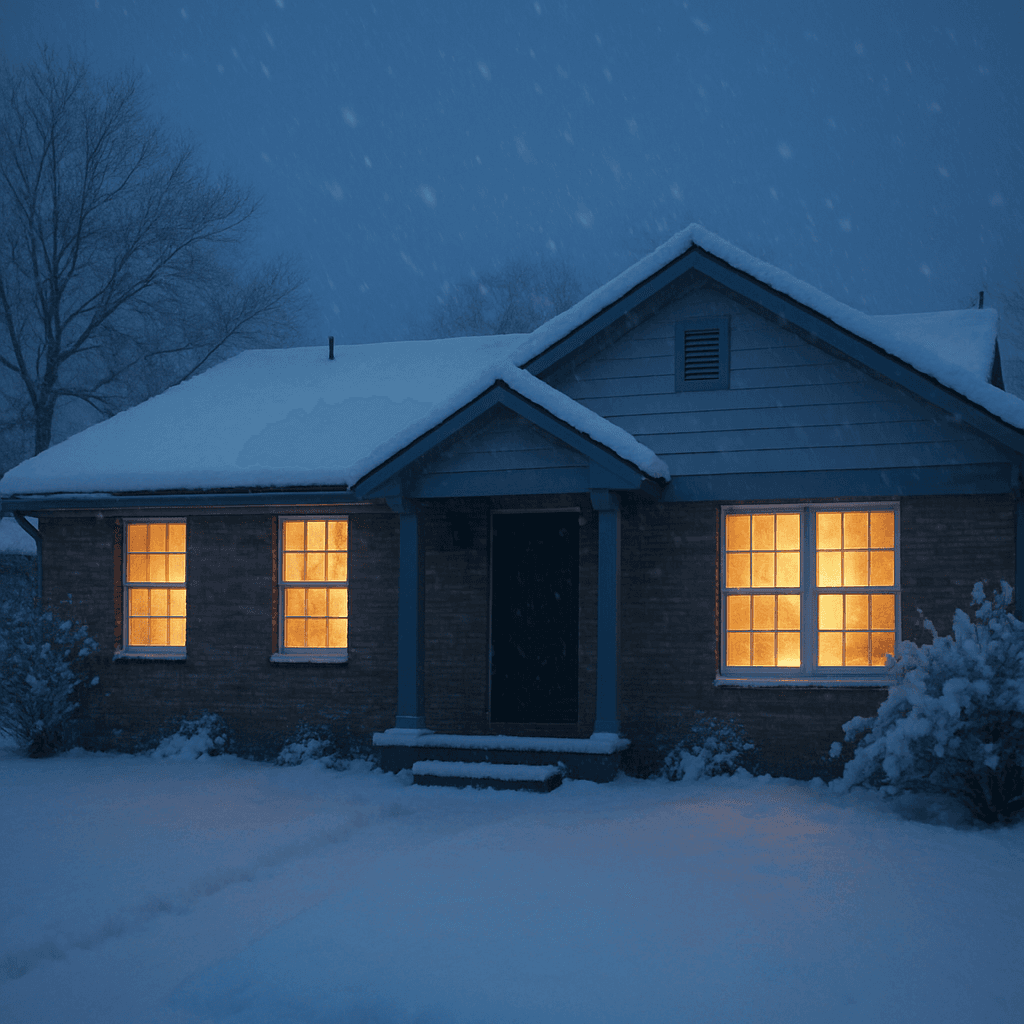
Winter Storm Power Outage Preparedness Guide (Texas Edition)
The February 2021 Texas winter storm and subsequent grid failure left millions without power for days during dangerously cold temperatures — a stark reminder that winter storm preparedness matters even in states not traditionally associated with extreme cold.
Why Texas Winter Storms Are Uniquely Risky
Unlike states with grid infrastructure built for sustained cold, Texas's grid and much home insulation is optimized for heat, not cold — meaning winter storm outages combine genuine cold-weather danger with infrastructure less prepared to handle it. This combination makes backup heat and power planning especially important for Texas households specifically.
Priority Loads During a Winter Storm Outage
- Heat — even limited electric heat backup (see our space heater power guide) can meaningfully reduce risk during dangerous cold
- Medical equipment — CPAP machines, oxygen concentrators, and other devices that can't safely pause (see our medical equipment power guide)
- Communication — phone charging and, ideally, a way to receive emergency alerts if cell towers lose power
- Water pipe protection — some households run a small heat source near vulnerable pipes to prevent freezing and bursting
- Sump pump — winter storms bring meltwater along with the cold; see our sump pump backup guide if your basement is at risk
Cold Weather Affects Your Power Station Too
Battery performance and capacity both decrease somewhat in cold temperatures — see our cold weather battery performance guide for specifics. Keep your power station in the warmest reasonably accessible location (not an unheated garage) to preserve performance during winter emergencies.
Recommended Sizing
Given the combined heat and medical equipment priority, we recommend sizing toward a EcoFlow Delta 2 Max or larger expandable system for Texas winter storm preparedness — space heating alone consumes capacity quickly, so a larger baseline gives more realistic multi-day coverage.
Solar Charging Is Less Reliable in Winter Storms
Unlike hurricane prep where solar recharging is often practical, winter storms frequently bring extended cloud cover and snow-covered panels, making solar a less reliable recharge source during the exact event you're preparing for. Plan around your power station's stored capacity primarily, with solar as a bonus rather than a core part of your plan.
Beyond Texas: Other Regions at Risk of the Same Failure Mode
Texas's 2021 storm is the best-known example, but the same underlying risk — infrastructure not built for the cold it's now experiencing — shows up elsewhere too. The Pacific Northwest's 2021 ice storm left hundreds of thousands without power in a region with similarly heat-optimized infrastructure. The Southeast and mid-Atlantic see occasional ice storms that snap tree limbs onto power lines in areas with little routine winter-storm response experience. If your region doesn't see extreme cold every year, treat that as a reason for more preparation, not less — infrastructure and community response tend to be least ready exactly where events are rare.
Pre-Storm Checklist: The 48 Hours Before
Once a winter storm warning is issued for your area:
- Fully charge your power station and any backup batteries — don't wait until the storm arrives to top off.
- Bring the unit indoors if it's been stored in a garage or shed, so it starts the event at a normal operating temperature rather than already cold-soaked.
- Fill any propane or fuel backups you're also relying on, since demand (and sometimes price) spikes right before a forecasted storm.
- Charge phones, laptops, and any battery packs to full — the actual outage moment is the wrong time to discover a partially charged backup.
- Confirm your priority-loads list (heat, medical equipment, communication) matches what you'll actually plug in, so you're not deciding under pressure.
Frequently Asked Questions
How cold does it need to get before it affects my power station's performance?
Most LiFePO4 power stations see some performance reduction below freezing (32°F/0°C), with more significant effects at extreme cold. Check your specific unit's rated operating temperature range and keep it as warm as practical during winter emergencies.
Should Texas households prepare differently than states with regular winter weather?
Somewhat — infrastructure in areas without regular extreme cold (like much of Texas) is often less resilient to winter storms than in states that experience them annually, which can mean longer outage durations for a comparable storm severity. Planning for longer backup duration is a reasonable adjustment.
Power Stations We'd Look At for This
Picked from our reviews for this scenario. Prices change often, so check the current price before you buy.
This page contains affiliate links. See our affiliate disclosure.
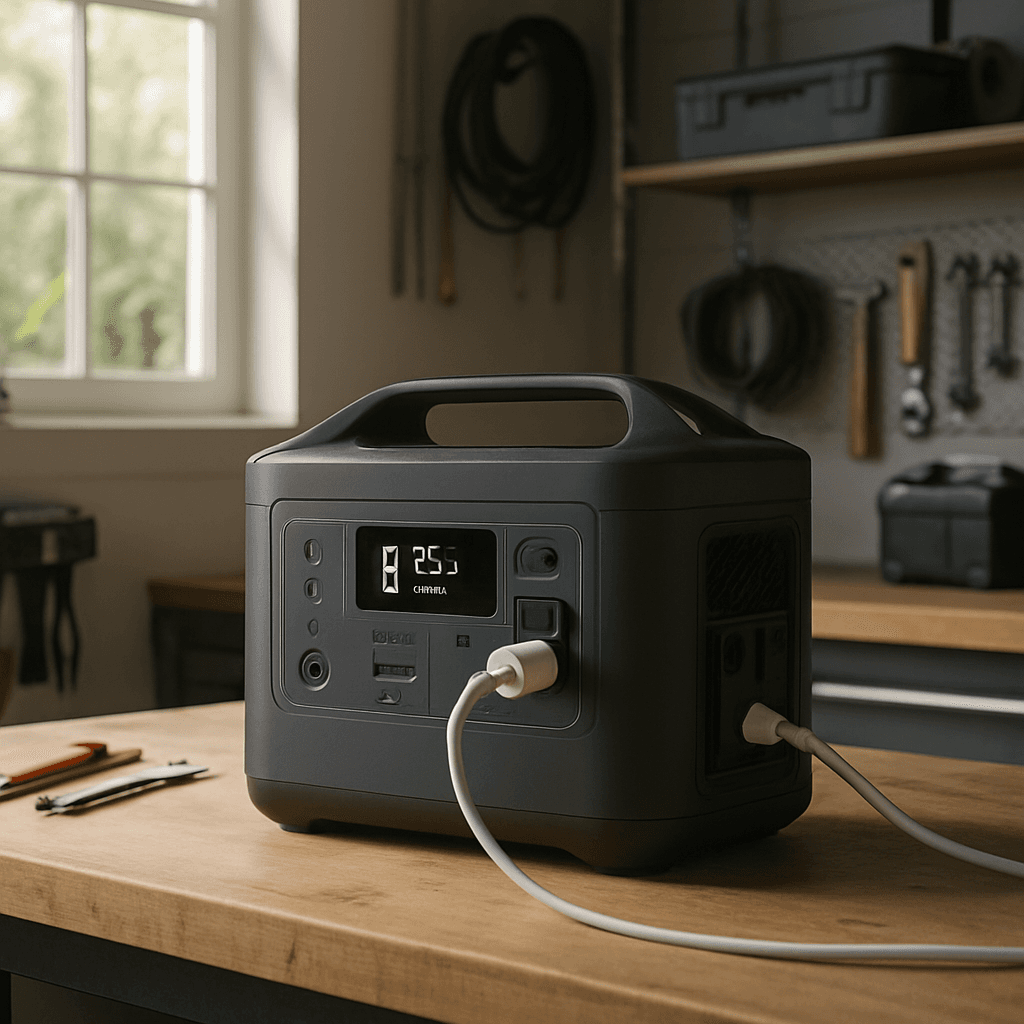
Bluetti Elite 200 V2
4.5/5 in our review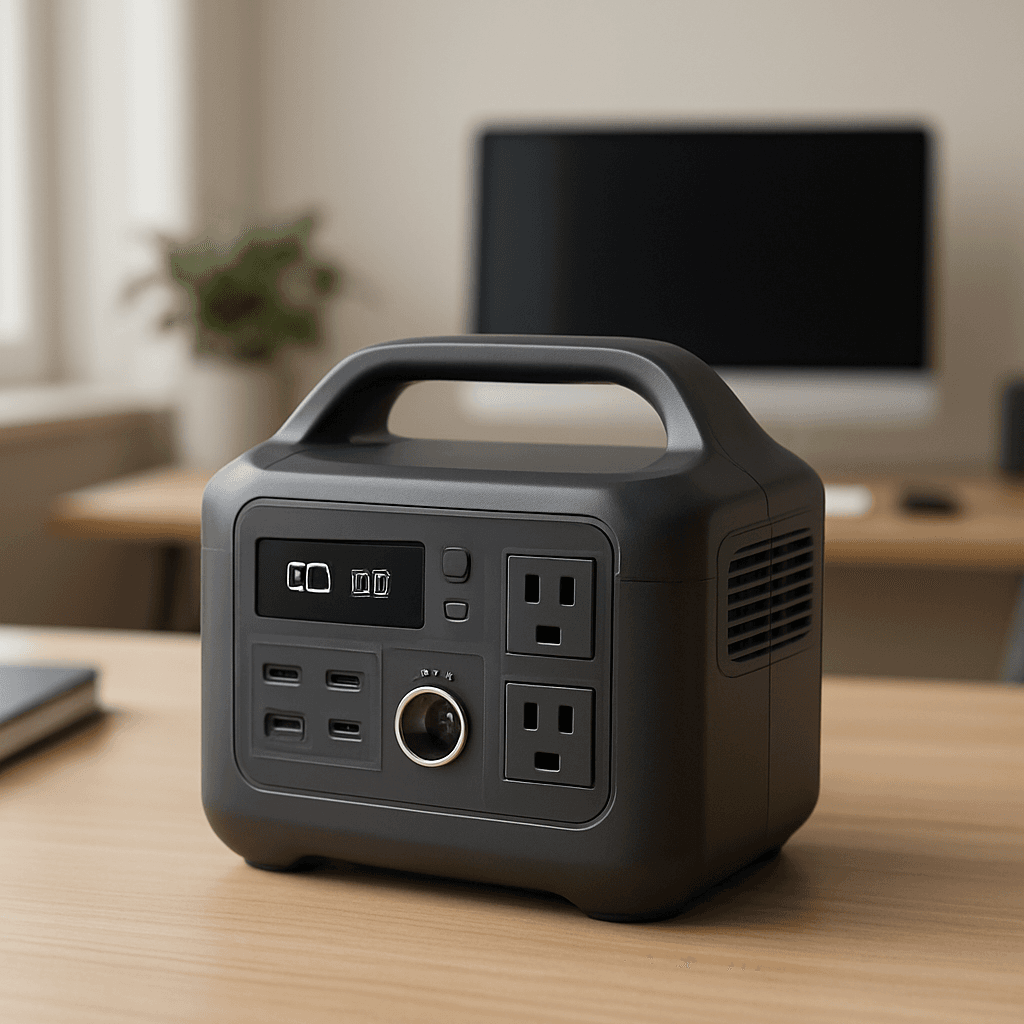
EcoFlow Delta 2 Max
4.5/5 in our review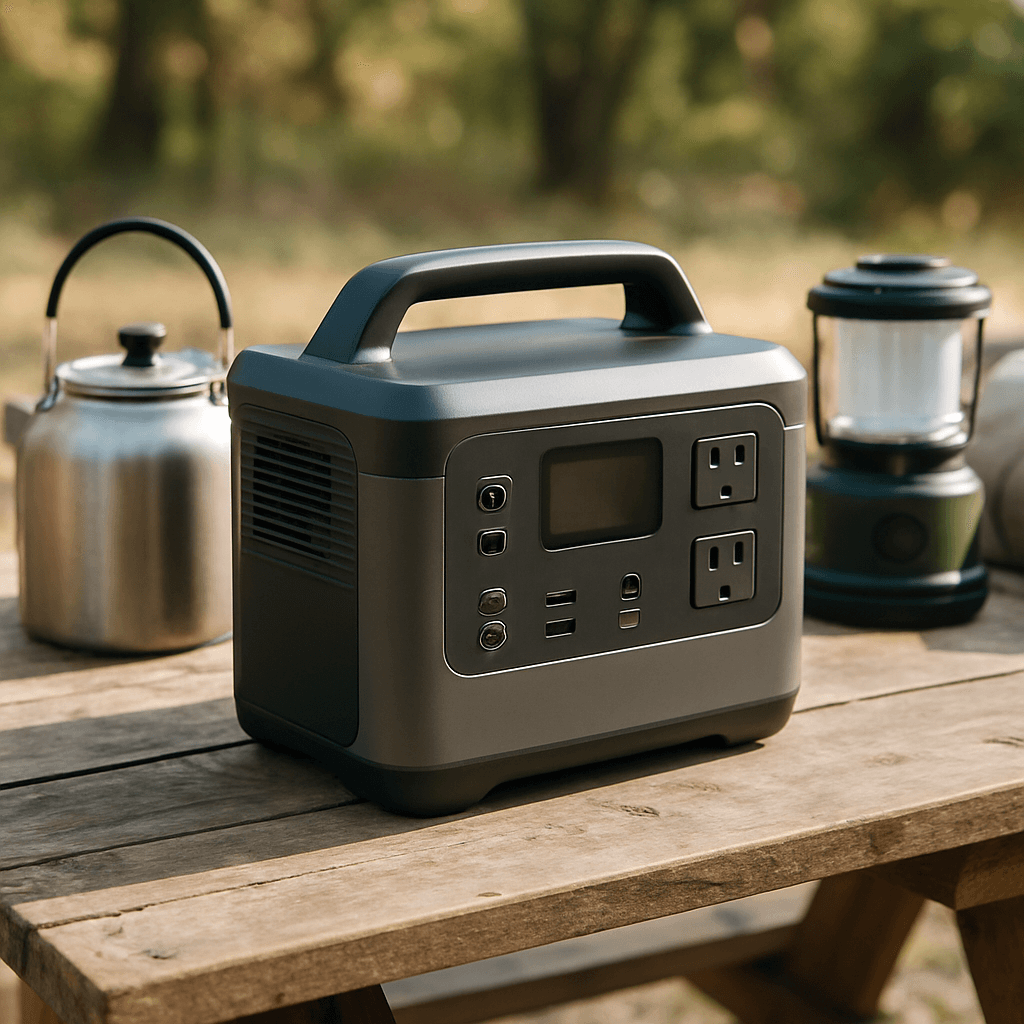
Jackery Explorer 1000 v2
4.4/5 in our reviewRelated Articles
 Emergency Preparedness
Can an EMP Destroy Your Power Station? What the Science Actually Says
Batteries are more EMP-resistant than most people assume, but the electronics inside a power station aren't. Here's the real science of EMP risk and Faraday cage protection.
 Emergency Preparedness
What to Do When the Power Goes Out: A Step-by-Step Guide
What to do in the first 15 minutes and hours of a power outage: check the scope, unplug electronics, food safety times, carbon monoxide rules, medical needs, and backup power priorities.
 Emergency Preparedness
Preparing Your Home for a Multi-Day Power Outage
Multi-day outages require different planning than a brief interruption. Here's a complete household preparation checklist beyond just the power station.