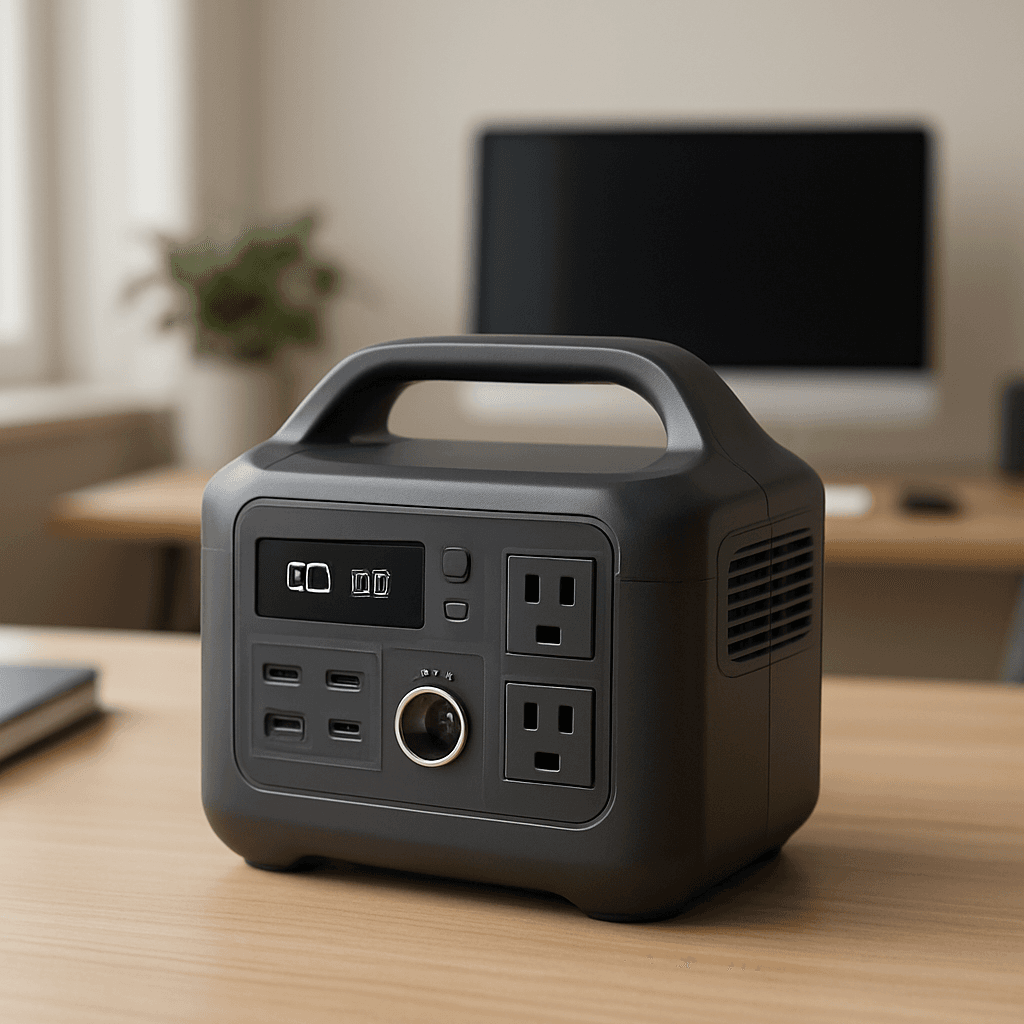
EcoFlow Delta 2 Max Review: Specs, Runtime & Value Analyzed
This page contains affiliate links. See our affiliate disclosure.
The short answer: the EcoFlow DELTA 2 Max is a proven 2,048Wh station with 2,400W of output, expansion to 6,144Wh, and a 5-year warranty. On EcoFlow's US store it is $1,029 (list $1,299) as of October 3, 2026. That is still a good unit, but at that price the Bluetti Elite 200 V2 ($899) and Jackery Explorer 2000 v2 ($899 on sale) undercut it. Buy it if you want the expansion path or the EcoFlow app ecosystem and catch it on a deal; skip it at list price.
By the Numbers
Specs are cross-checked against EcoFlow's DELTA 2 Max product page (October 3, 2026). Test figures come from StorageReview's July 2023 review, an independent test we did not run ourselves.
| Spec | Value |
|---|---|
| Capacity | 2,048Wh (expandable to 6,144Wh) |
| Measured discharge | 1,800Wh at a 350W load (88% of rated), per StorageReview |
| Continuous AC output | 2,400W (3,400W with X-Boost for resistive loads) |
| Battery chemistry | LiFePO4, 3,000+ cycles |
| Weight | 50 lb |
| AC recharge | 80% in about 1.1 hours (StorageReview) |
| Max solar input | 1,000W |
| Warranty | 5 years |
| Price | $1,029 on EcoFlow's store, list $1,299 (Oct 3, 2026) |
What Independent Testing Found
StorageReview measured 1,800Wh delivered at a 350W load, about 88% of the 2,048Wh rating, and an 80% charge in about 1.1 hours on AC alone. The "43 minutes" figure that circulates for this unit applies only when AC and solar charge together; on AC alone, EcoFlow's current page says "as fast as 2.3 hours" for a full charge. We previously called 43 minutes class-leading without that context. It is still fast, though newer units like the DELTA Pro 3 (80% in 50 minutes, per EcoFlow) are quicker.
Review dates matter here: this test is from 2023, and EcoFlow has since released the DELTA 3 series. We have not reviewed the newer DELTA 3 Max Plus, which Gearbrain covered in 2025.
How It Compares
| EcoFlow DELTA 2 Max | Bluetti Elite 200 V2 | Jackery Explorer 2000 v2 | Anker C2000 Gen 2 | |
|---|---|---|---|---|
| Capacity | 2,048Wh | 2,073.6Wh | 2,042Wh | 2,048Wh |
| Measured usable | 1,800Wh | 1,910Wh | about 1,710-1,740Wh | no test found |
| AC output | 2,400W (3,400W X-Boost) | 2,600W | 2,200W | 2,400W |
| Weight | 50 lb | 53.4 lb | 38.9 lb | 41.7 lb |
| Expansion | To 6,144Wh | To 8,192Wh | No | To 4kWh |
| Price seen | $1,029 | $899 | $899 (sale) | $999.99 |
| $ per rated Wh | $0.50 | $0.43 | $0.44 | $0.49 |
Measured figures come from StorageReview (DELTA 2 Max, Elite 200 V2) and OutdoorGearLab (Jackery 2000 v2); different labs use different load profiles, so compare them as ballparks. See our best power stations under $1,000.
Strengths
- Fast recharging (about 1.1 hours to 80%), with 1,000W of solar input.
- Expansion to 6,144Wh with add-on batteries.
- X-Boost pushes resistive loads up to 3,400W of nameplate, for devices like a toaster or a heater above 2,400W.
- 5-year warranty and a mature app and accessory ecosystem.
Weaknesses
- Price per Wh is higher than rivals now ($0.50 vs $0.43-0.44).
- 50 lb is not a grab-and-go camping unit.
- Older platform. The DELTA 3 series has since arrived, and EcoFlow's DELTA 3 is $599 for 1,024Wh.
- Expansion batteries are a significant added cost.
What This Actually Runs
Based on the measured 1,800Wh:
- Full-size refrigerator (150W average): about 12 hours
- Full-size refrigerator (250W peak-average): about 7 hours
- Mini fridge (80W): about 22 hours
- Space heater (1,500W): about 1.2 hours
- CPAP, 40W without humidifier, 8-hour nights: about 5.6 nights (about 2.8 with a heated humidifier)
Earlier versions listed 45+ nights for a CPAP; that treated hours as nights. See our wattage sizing guide and CPAP guide.
Who Should Buy This
Homeowners who want a 2,048Wh unit now and room to add capacity, and who can buy it on sale. If portability matters more, the lighter Jackery Explorer 1000 v2 is a better fit; see our Jackery vs EcoFlow comparison. For more capacity and 240V output, read our EcoFlow Delta Pro 3 review. Choosing between this and its smaller sibling? See Delta 2 vs Delta 2 Max.
Disclosure: WattStation HQ may earn a commission if you purchase through links on this page, at no extra cost to you. This does not affect our rankings — see our editorial policy.
Frequently Asked Questions
Do I need to buy expansion batteries right away?
No. The base 2,048Wh unit is fully functional on its own. Add batteries later if your backup needs grow, up to the 6,144Wh ceiling.
Can the Delta 2 Max be used indoors?
Yes. A power station has no combustion emissions, so unlike a gas generator it can run indoors; just leave space around the vents and keep it away from heat sources.
Is the DELTA 2 Max still worth buying in 2026?
Only on a deal. At $1,029 it costs more per Wh than the Bluetti Elite 200 V2 and Jackery 2000 v2, but it offers an established expansion path and a 5-year warranty. If a sale brings it near $800, it is hard to beat.
How fast does the DELTA 2 Max charge?
StorageReview measured 80% in about 1.1 hours on AC. A full charge takes longer, and solar input tops out at 1,000W.
Related Articles
 Power Station Reviews
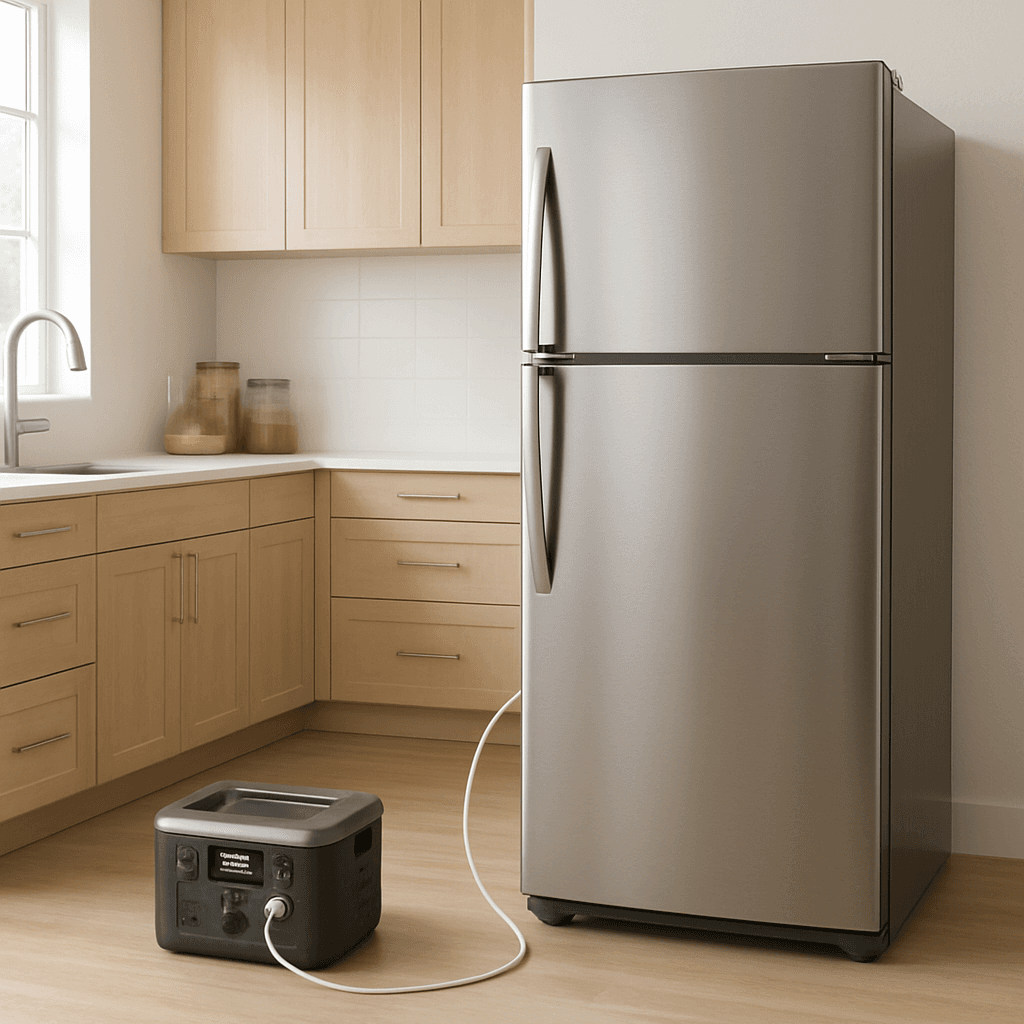
Jackery Explorer 2000 v2 Review: Light, Quiet, and Strong Value at $899
The Jackery Explorer 2000 v2 packs 2,042Wh and 2,200W into 38.9 lb. Independent test data, current prices, runtimes, and how it compares with the Bluetti Elite 200 V2 and Anker C2000 Gen 2.
 Power Station Reviews
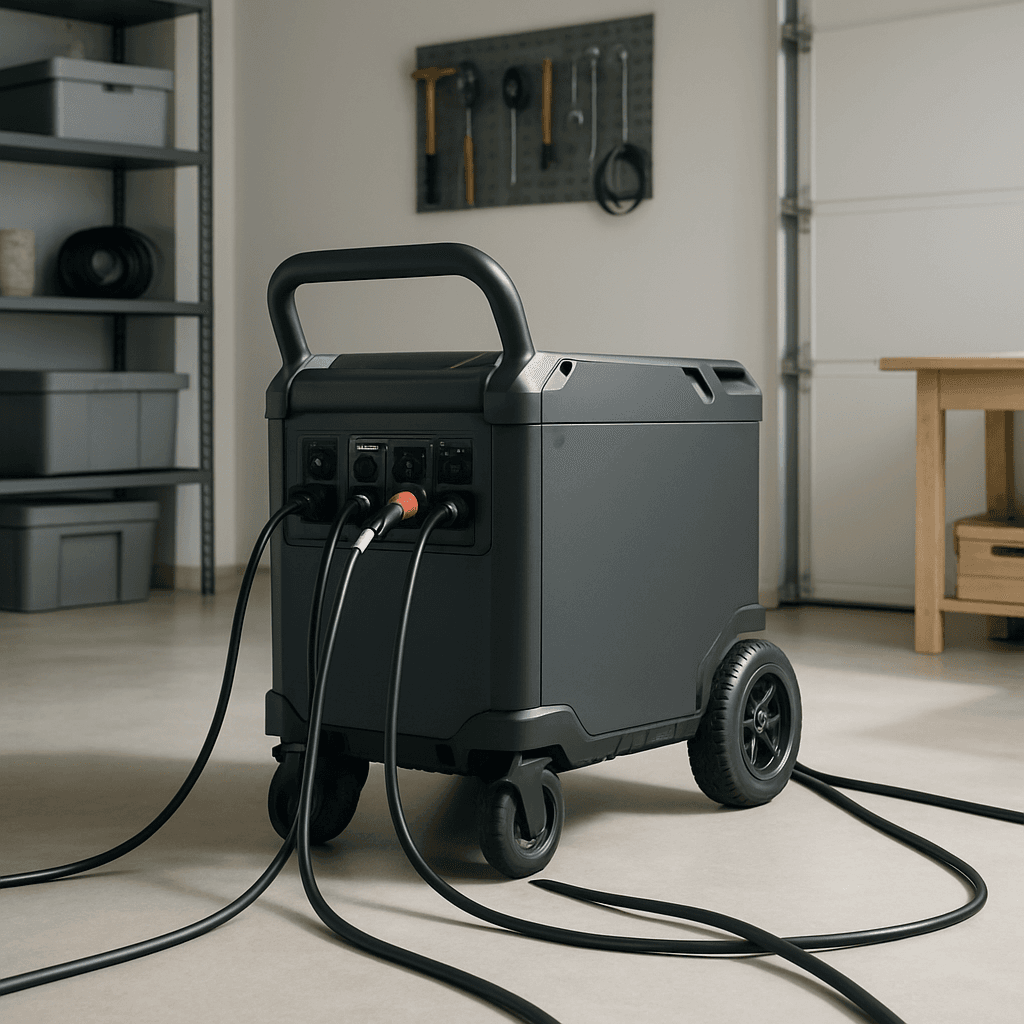
EcoFlow Delta Pro 3 Review: EcoFlow's New Flagship Analyzed
4,096Wh, 4,000W and 120/240V output at $2,799 (list $3,699). Independent test data, runtimes, expansion, warranty terms, and who actually needs this much power.
 Power Station Reviews
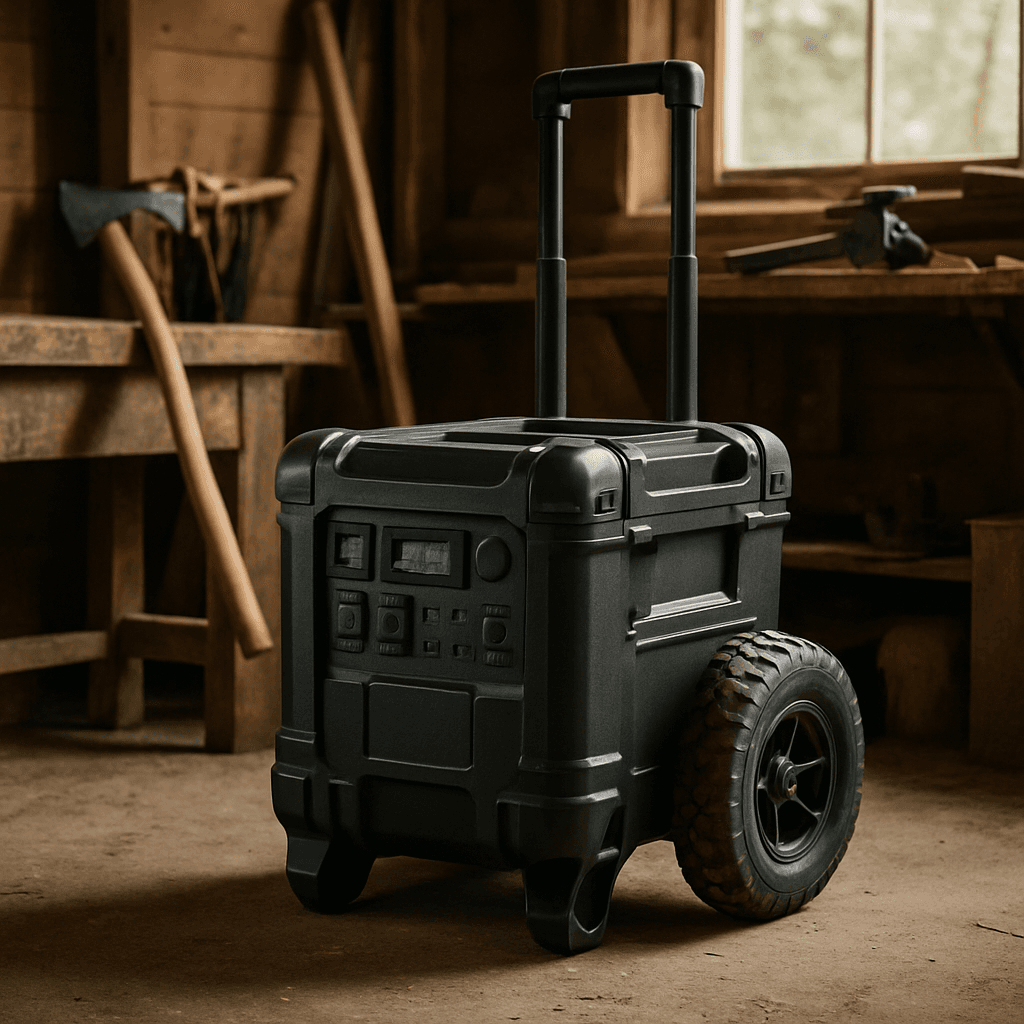
Renogy Lycan 5000 Review: Off-Grid Power Analyzed
The Renogy Lycan 5000 pairs a wheeled, rugged design with expandable capacity for serious off-grid use. Full specs, runtime estimates, and who it's for.