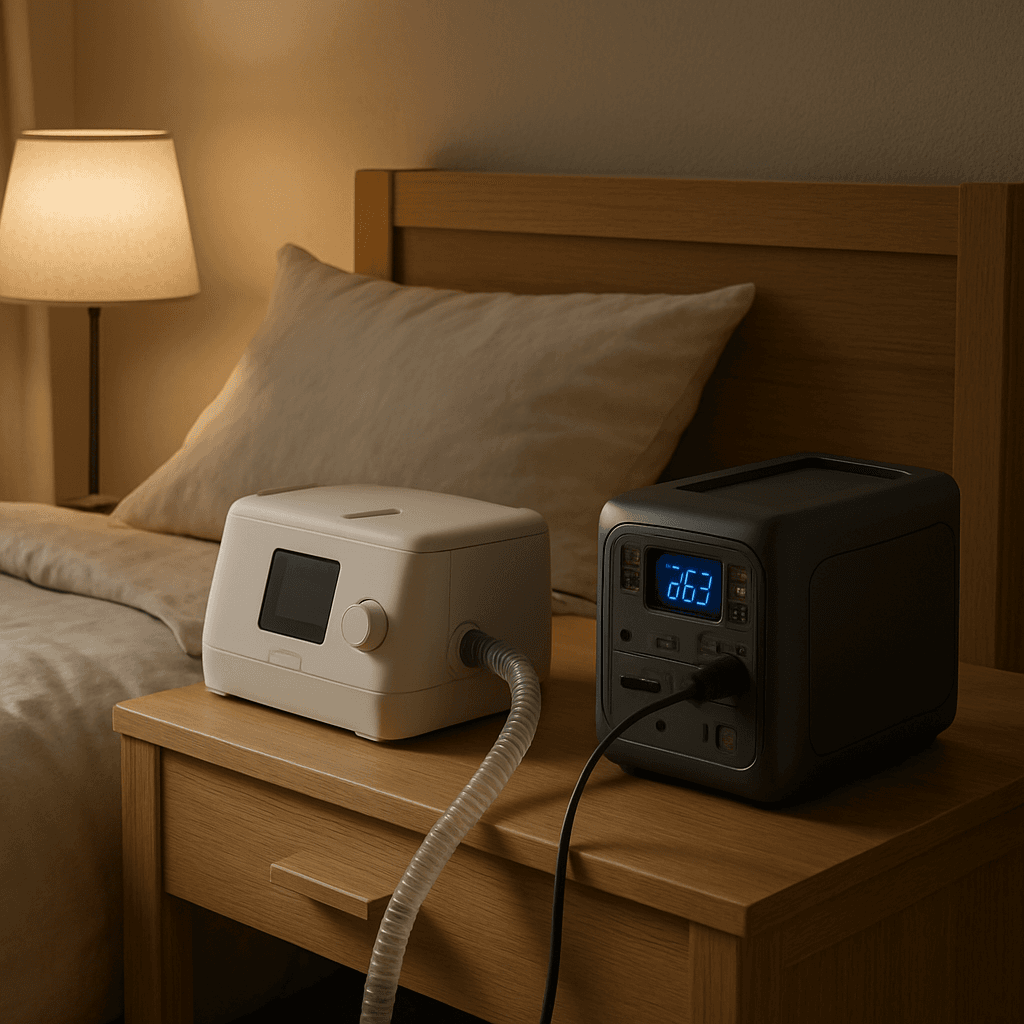
How to Power Essential Medical Devices During Emergencies
A complete plan means: inventory every device's wattage, confirm compatibility with your medical provider, size your power station with at least 50% extra buffer above your calculated need, and build in redundancy for anything genuinely critical. For households with medical device power needs, emergency planning isn't optional — it requires a specific, tested plan rather than general backup power preparation. Here's the complete framework.
Step 1: Inventory Every Device and Its Requirements
List every powered medical device in your household, its wattage (check the device label or manufacturer documentation), and how critical continuous operation is (some devices can tolerate brief gaps; others cannot). See our device-specific wattage breakdown for common examples like CPAP machines and oxygen concentrators.
Step 2: Confirm With Your Medical Provider
Before finalizing any backup power plan, confirm with your device manufacturer or durable medical equipment (DME) provider that battery-based backup power is appropriate for your specific device and situation — some devices have specific certification requirements or restrictions worth knowing about in advance, not during an emergency.
Step 3: Size With Extra Buffer
Given the higher stakes, plan for at least 50% more capacity than your calculated daily medical device need, and consider your household's full outage-duration risk (see our regional preparedness guides) rather than a bare-minimum calculation.
Step 4: Build in Redundancy
For genuinely critical, continuous-operation devices, consider a backup plan beyond a single power station — this could mean a second smaller unit as a true backup, a plan to relocate to a location with reliable power (family member's home, hospital, or designated shelter) if your primary backup fails, or coordination with local emergency services who may prioritize medical-need households during widespread outages.
Step 5: Register With Your Utility If Applicable
Many utilities maintain a "medical baseline" or priority restoration list for households with documented medical equipment needs — registering (usually through your utility's website or customer service, often requiring documentation from your doctor) can mean faster restoration priority during widespread outages.
Step 6: Test Regularly
Don't wait for an actual emergency to discover a problem — test your medical device on your power station periodically, confirm it works as expected, and keep the power station charged and ready at all times if any household medical need is genuinely urgent.
Resources Beyond Your Utility
If your utility doesn't offer a medical baseline program, or you need broader support, 211 (dial 2-1-1 in most of the US) connects households to local emergency and medical-needs resources, and FEMA's disability and accessibility guidance at ready.gov covers broader federal planning resources for medical-device-dependent households during a declared emergency. Your state or county's Office of Emergency Management may also maintain its own medical-needs registry separate from the utility-level program.
This Is General Guidance, Not Medical Advice
Every medical situation is different — always consult your physician or DME provider for guidance specific to your device and health needs before relying on any power station as your emergency backup plan.
Frequently Asked Questions
What is a utility "medical baseline" program?
Many utilities offer a program where documented medical equipment needs (confirmed by your doctor) can qualify your household for priority notification and/or faster restoration during outages. Contact your specific utility to ask about their program and enrollment requirements.
How often should I test my medical device backup power setup?
At minimum every few months, and always before any known high-risk period for your region (hurricane season, winter storm season, etc.) — see our 72-hour emergency power kit guide for a broader testing and maintenance schedule.
Power Stations We'd Look At for This
Picked from our reviews for this scenario. Prices change often, so check the current price before you buy.
This page contains affiliate links. See our affiliate disclosure.
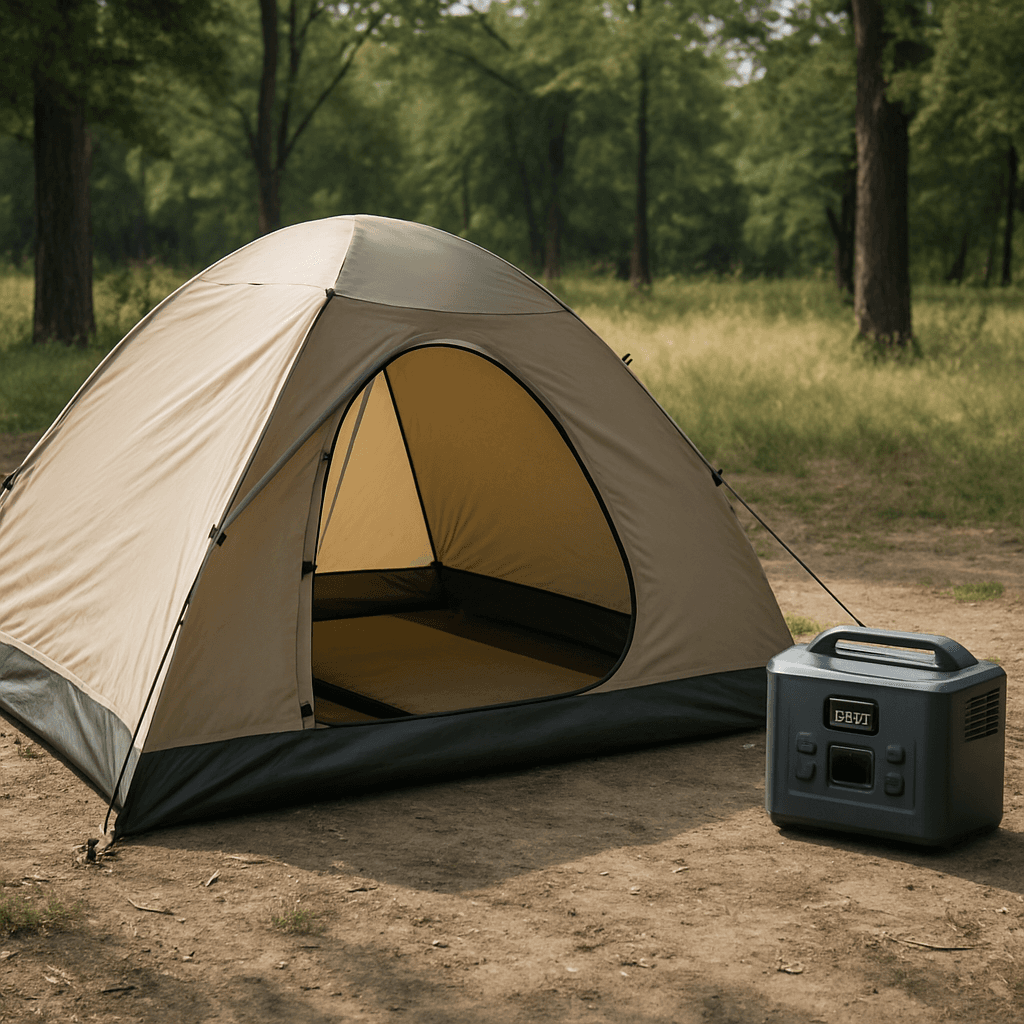
Bluetti AC70
4.3/5 in our review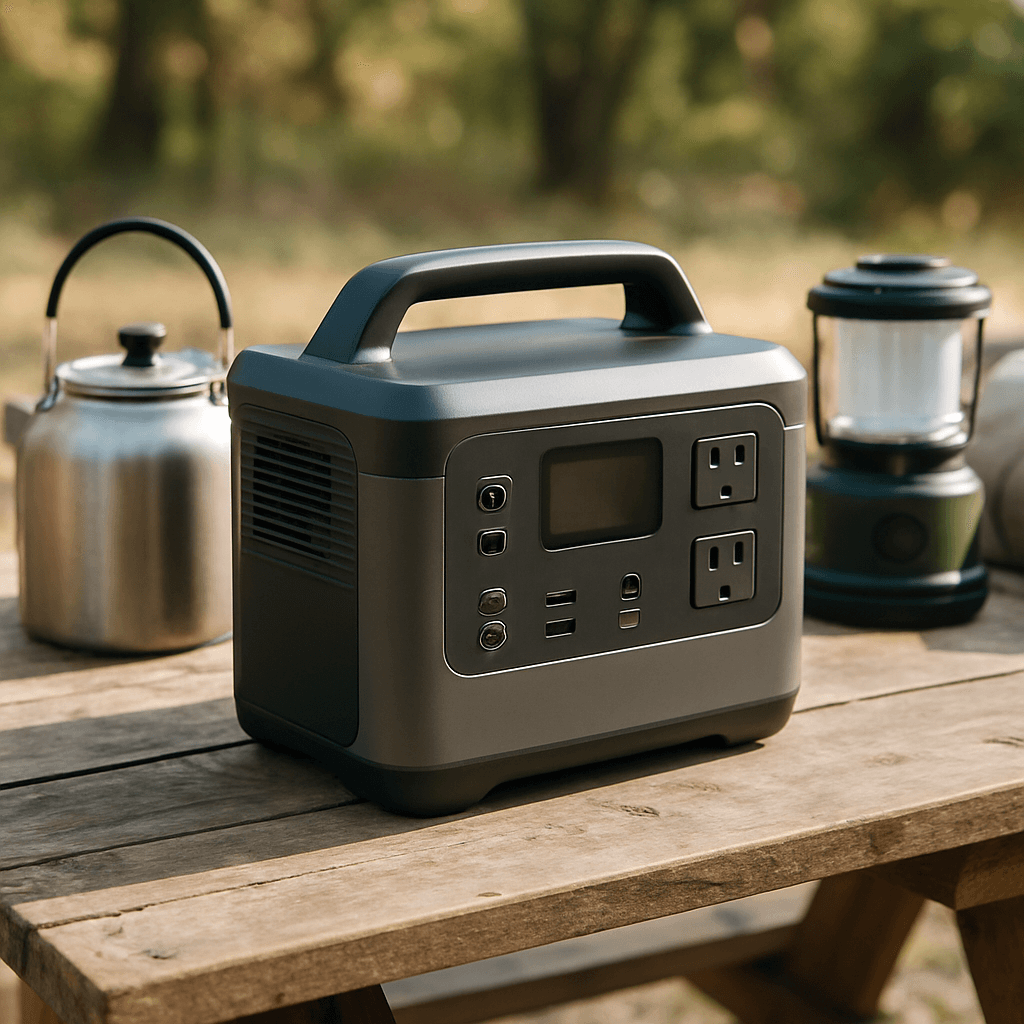
Jackery Explorer 1000 v2
4.4/5 in our review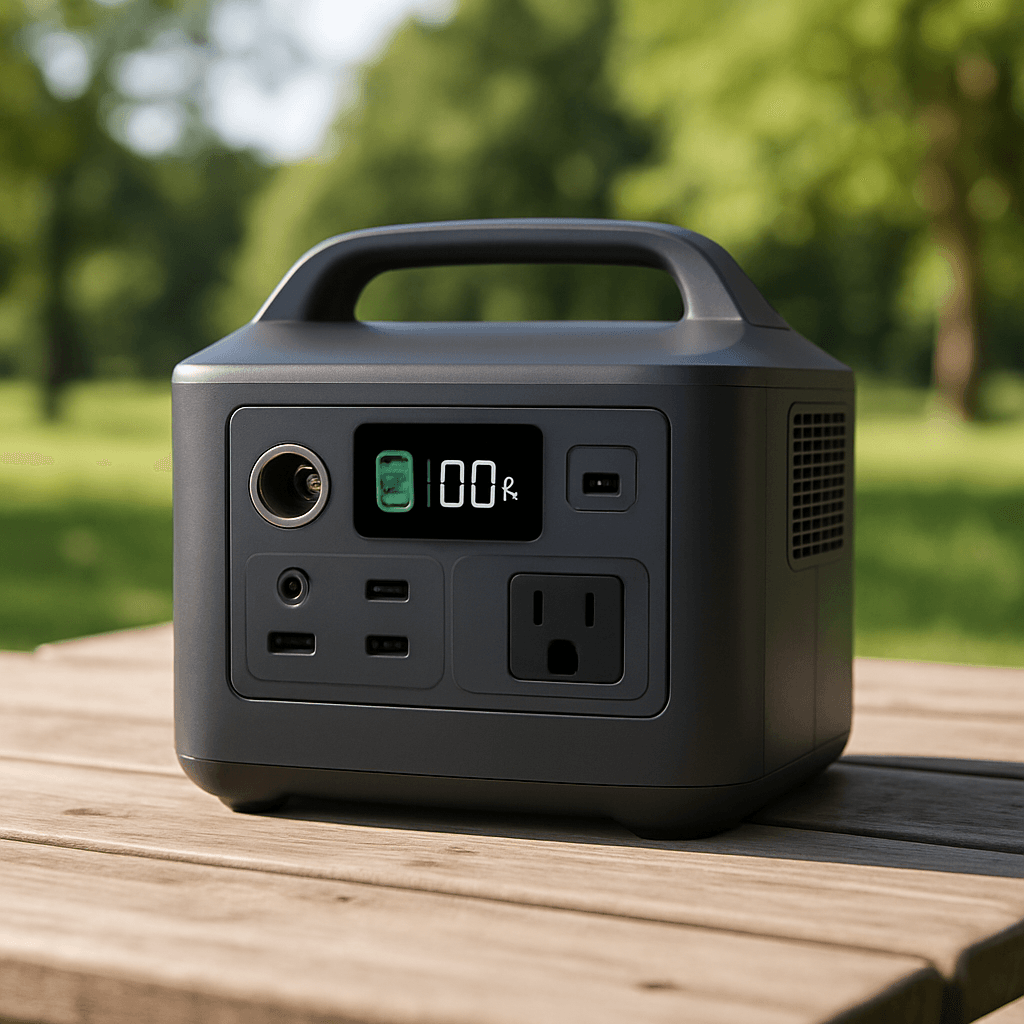
Anker SOLIX C1000
4.2/5 in our reviewRelated Articles
 Emergency Preparedness
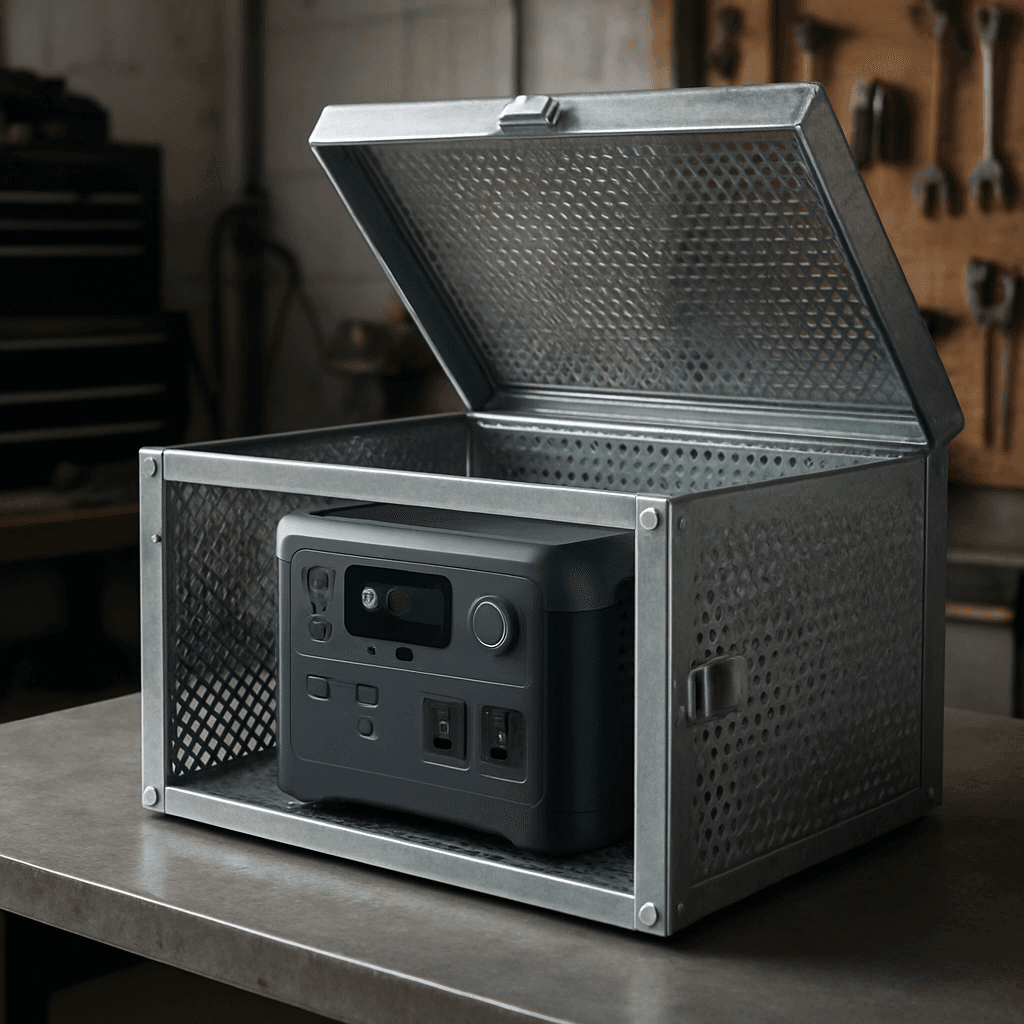
Can an EMP Destroy Your Power Station? What the Science Actually Says
Batteries are more EMP-resistant than most people assume, but the electronics inside a power station aren't. Here's the real science of EMP risk and Faraday cage protection.
 Emergency Preparedness
Winter Storm Power Outage Preparedness Guide (Texas Edition)
The 2021 Texas winter storm exposed how unprepared the grid can be for extreme cold. Here's how to plan backup power for Texas winter weather specifically.
 Emergency Preparedness
What to Do When the Power Goes Out: A Step-by-Step Guide
What to do in the first 15 minutes and hours of a power outage: check the scope, unplug electronics, food safety times, carbon monoxide rules, medical needs, and backup power priorities.