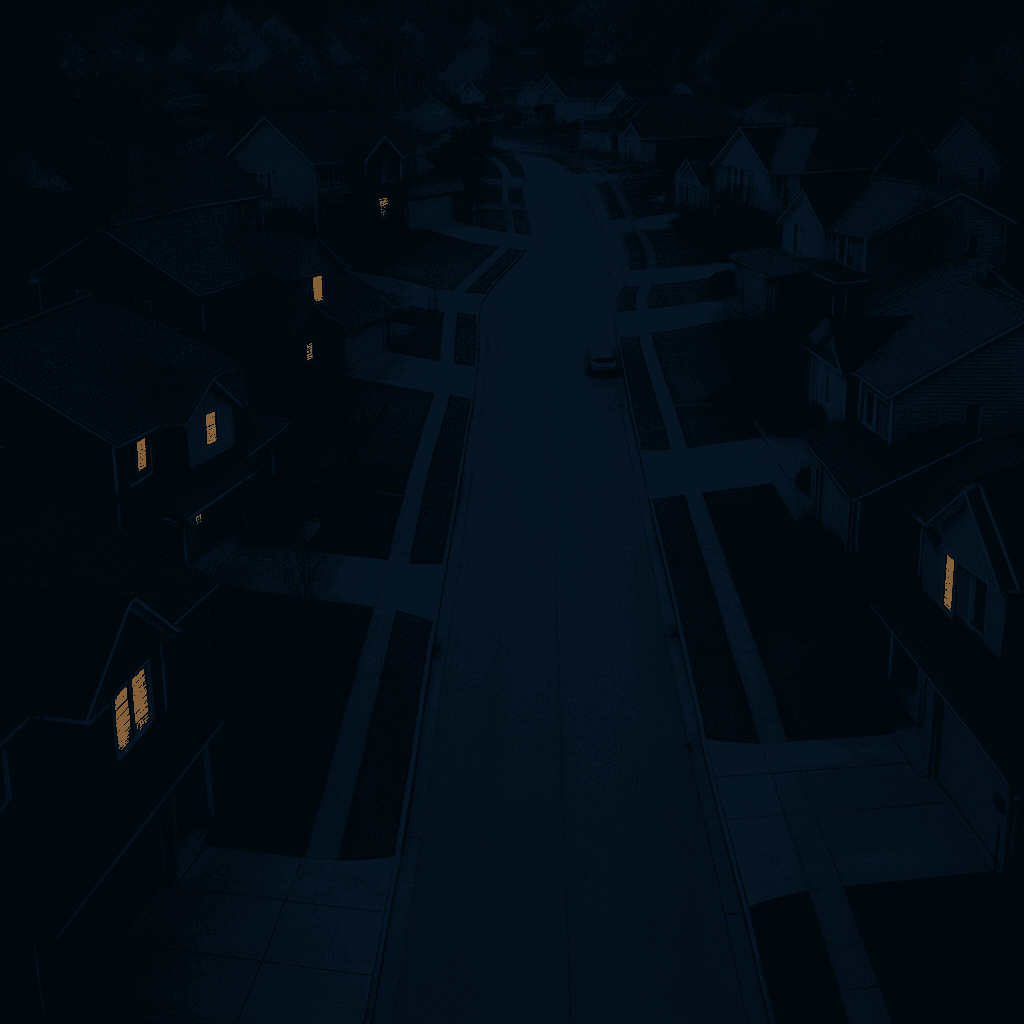
Power Outage Statistics by State (2024 EIA Data): Who Needs Backup Power Most
The short answer: in 2024 the average US electricity customer lost power for about 11 hours, nearly double the roughly 5.5-hour average of the previous decade, according to the US Energy Information Administration (EIA). Hurricanes Beryl, Helene, and Milton accounted for 80% of those hours. The spread between states is huge: South Carolina averaged nearly 53 hours, while Arizona averaged about 1.4. This page shows the official numbers for every region that matters for backup-power planning.
Average Hours Without Power by State, 2024
Source: EIA Electric Power Annual, Table 11.2 (SAIDI including major events, converted from minutes per customer per year to hours). SAIDI is the average total time a customer was without power over the year, across the utilities that reported.
| State | Average hours without power in 2024 |
|---|---|
| South Carolina | 52.6 |
| Maine | 29.1 |
| Texas | 26.9 |
| North Carolina | 25.3 |
| Florida | 24.8 |
| Georgia | 20.1 |
| West Virginia | 19.4 |
| Virginia | 16.0 |
| Vermont | 14.9 |
| New Hampshire | 12.3 |
| Washington | 10.7 |
| Louisiana | 10.5 |
| California | 4.8 |
| United States | 11.0 |
| Arizona | 1.4 |
| District of Columbia | 0.5 |
The table reports totals only. EIA's write-up ties the biggest numbers to three hurricanes: it counted 2.6 million customers without power from Beryl in Texas, 5.9 million across 10 states from Helene, and 3.4 million in Florida from Milton.
How to Read This Without Being Misled
- 2024 was unusually bad. EIA says major events averaged nearly 9 hours per customer in 2024 versus nearly 4 hours per year in 2014-2023. One bad hurricane year can swing a state's number a lot.
- The state average hides local extremes. A county hit directly by a storm can lose power for days or weeks, while another part of the same state loses it for minutes.
- A typical year is much calmer. The 2014-2023 average was about 5.5 hours, so a modest unit covers most households in most years; the long tail (a major hurricane or ice storm) is what sizing for resilience is about.
- Not every high number is a hurricane. The table does not break out causes by state, so check local news and your utility to see whether your state's risk is storms, ice, or wildfire shutoffs. See our winter storm guide.
What Drives State-Level Outage Risk
- Hurricanes (June 1 to November 30): Florida, Texas, Louisiana, and the Carolinas. See our Florida hurricane guide and hurricane checklist.
- Winter storms and ice: the Northeast, the Appalachians, and Texas after the 2021 freeze. See our Texas winter storm guide.
- Wildfire and planned shutoffs (PSPS): California. See our California wildfire guide.
- Tornadoes and severe thunderstorms: the Midwest and South. See our tornado season guide.
- Grid age and tree cover, which cause routine outages even in calm weather.
If your power just went out, go straight to what to do when the power goes out.
What SAIDI and SAIFI Measure
- SAIDI is the average total time a customer is without power per year.
- SAIFI is the average number of separate outages a customer has per year.
A region with frequent short outages favors a smaller, fast-recharging unit. A region with rare but long outages favors a larger or expandable system. Many state public utility commissions publish utility-level SAIDI and SAIFI, which is more precise than any state average.
Sizing Backup Power to Your State's Risk
| If your state averaged... | A reasonable plan |
|---|---|
| Under about 5 hours | An essentials unit covers phones, router, lights, and a CPAP. The Bluetti AC70 or Jackery Explorer 1000 v2 are good fits. |
| 5 to 15 hours | A 1,000-2,000Wh unit that can also run a fridge for part of a day. |
| Over 15 hours, or you live on the coast | A 2,000Wh+ expandable unit plus solar, such as the Bluetti Elite 200 V2 or EcoFlow DELTA 2 Max. |
For capacity math, use our wattage sizing guide and see how long a power station can run your fridge in this fridge runtime guide.
Frequently Asked Questions
Which state has the most power outages?
South Carolina had the longest average interruption in 2024 at nearly 53 hours per customer, according to EIA, driven by Hurricane Helene. Maine, Texas, North Carolina, and Florida also exceeded 24 hours.
How many hours does the average American lose power per year?
About 11 hours in 2024, which EIA says was nearly twice the annual average of the previous decade (around 5.5 hours). Major events such as hurricanes accounted for most of it.
Does living in a low-outage state mean I don't need backup power?
Not necessarily. Averages hide local extremes, and a single severe storm or equipment failure can cause a long outage anywhere. A modest, right-sized unit remains a reasonable precaution, especially if anyone in your household depends on medical equipment.
Where can I find outage statistics for my utility?
Check your state public utility commission's website for SAIDI and SAIFI reports, or ask your utility. EIA also publishes utility-level reliability data.
Power Stations We'd Look At for This
Picked from our reviews for this scenario. Prices change often, so check the current price before you buy.
This page contains affiliate links. See our affiliate disclosure.
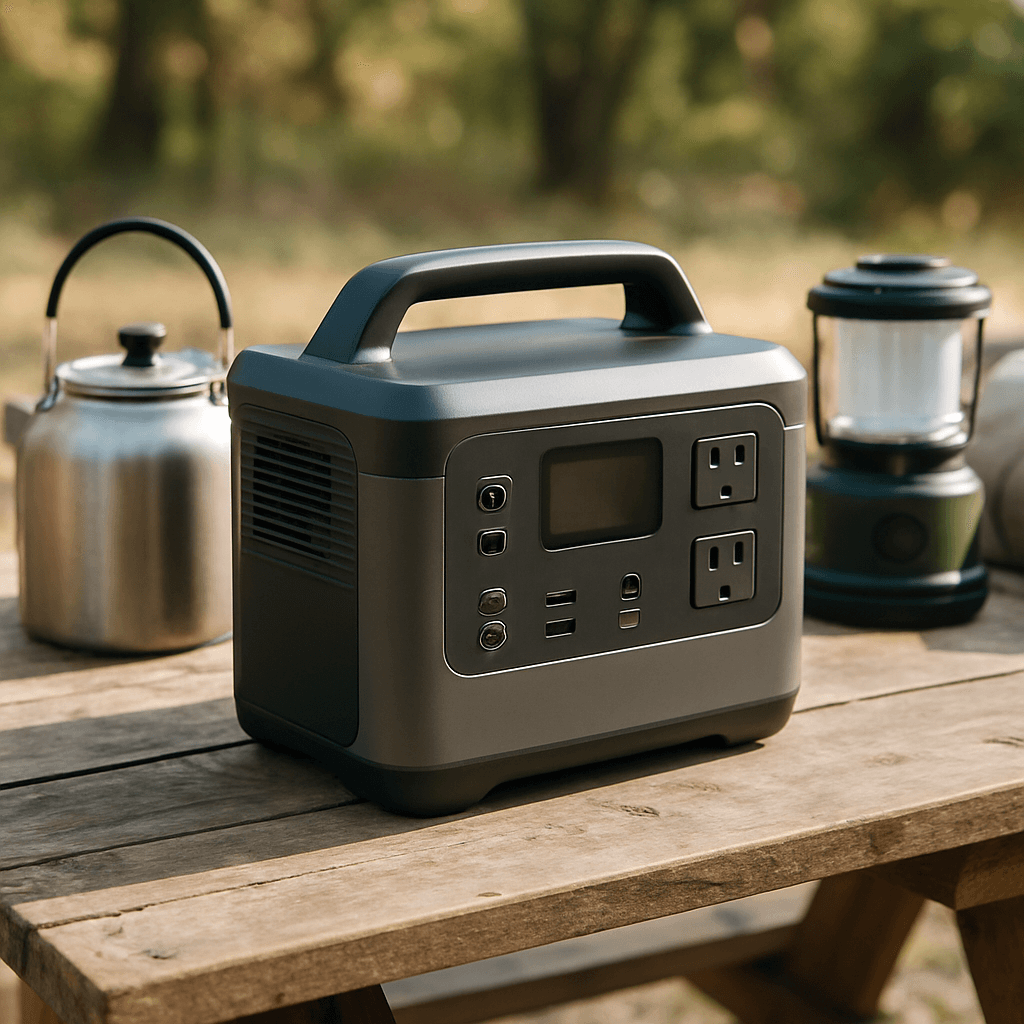
Jackery Explorer 1000 v2
4.4/5 in our review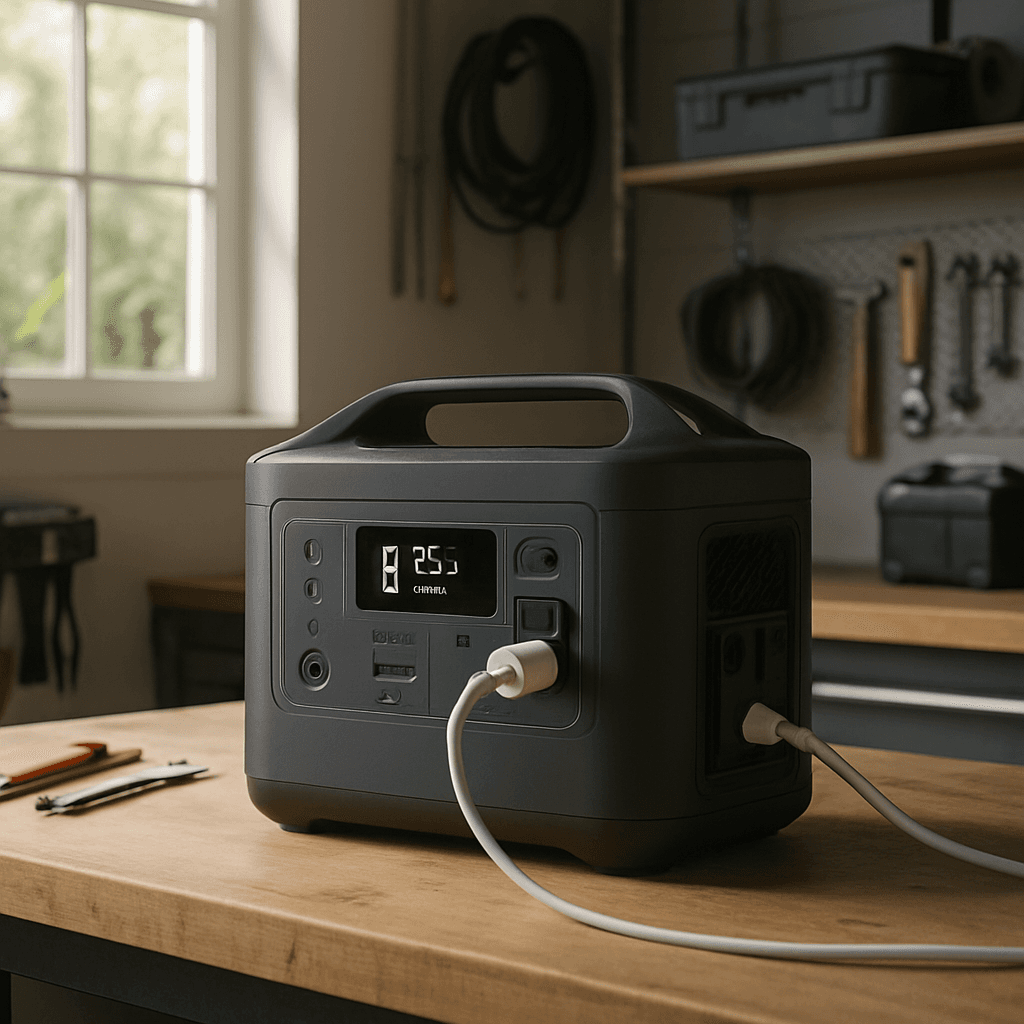
Bluetti Elite 200 V2
4.5/5 in our review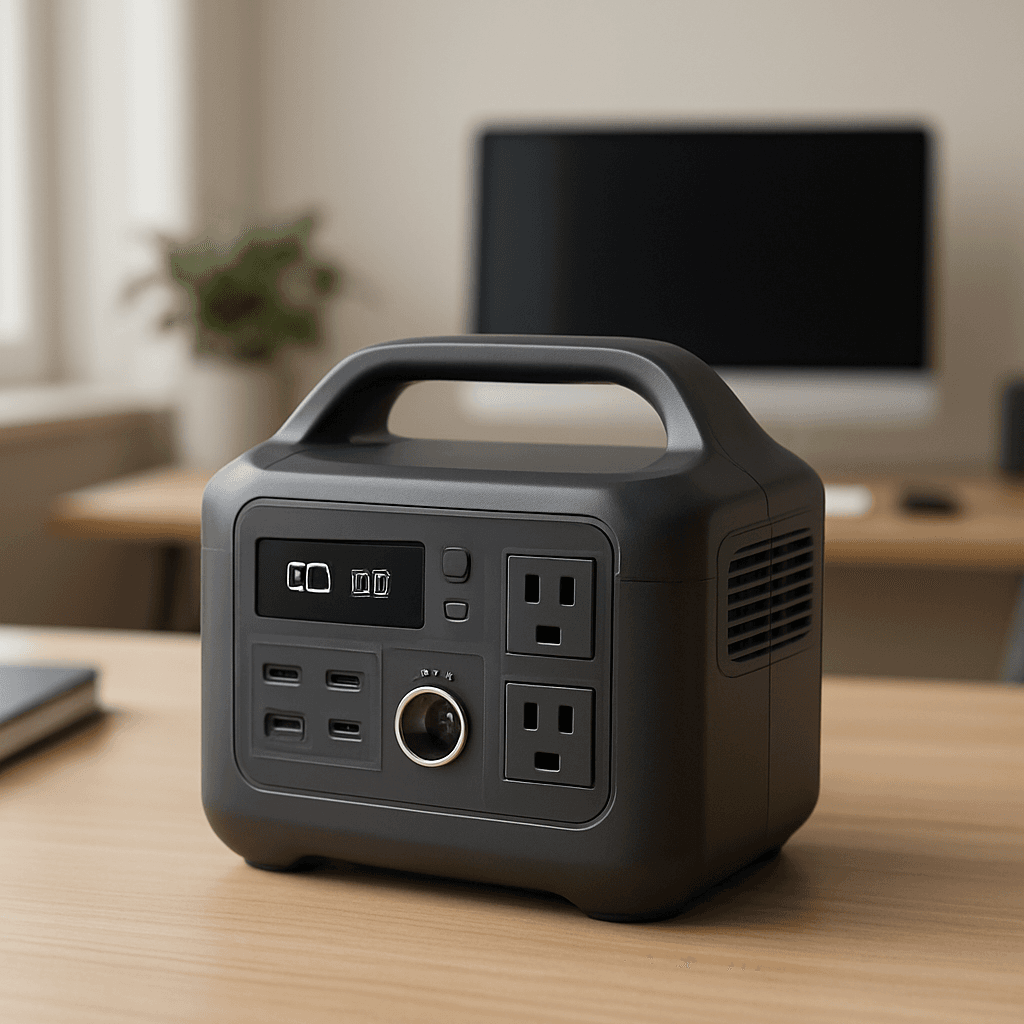
EcoFlow Delta 2 Max
4.5/5 in our review
Bluetti AC70
4.3/5 in our reviewRelated Articles
 Emergency Preparedness
Can an EMP Destroy Your Power Station? What the Science Actually Says
Batteries are more EMP-resistant than most people assume, but the electronics inside a power station aren't. Here's the real science of EMP risk and Faraday cage protection.
 Emergency Preparedness
Winter Storm Power Outage Preparedness Guide (Texas Edition)
The 2021 Texas winter storm exposed how unprepared the grid can be for extreme cold. Here's how to plan backup power for Texas winter weather specifically.
 Emergency Preparedness
What to Do When the Power Goes Out: A Step-by-Step Guide
What to do in the first 15 minutes and hours of a power outage: check the scope, unplug electronics, food safety times, carbon monoxide rules, medical needs, and backup power priorities.