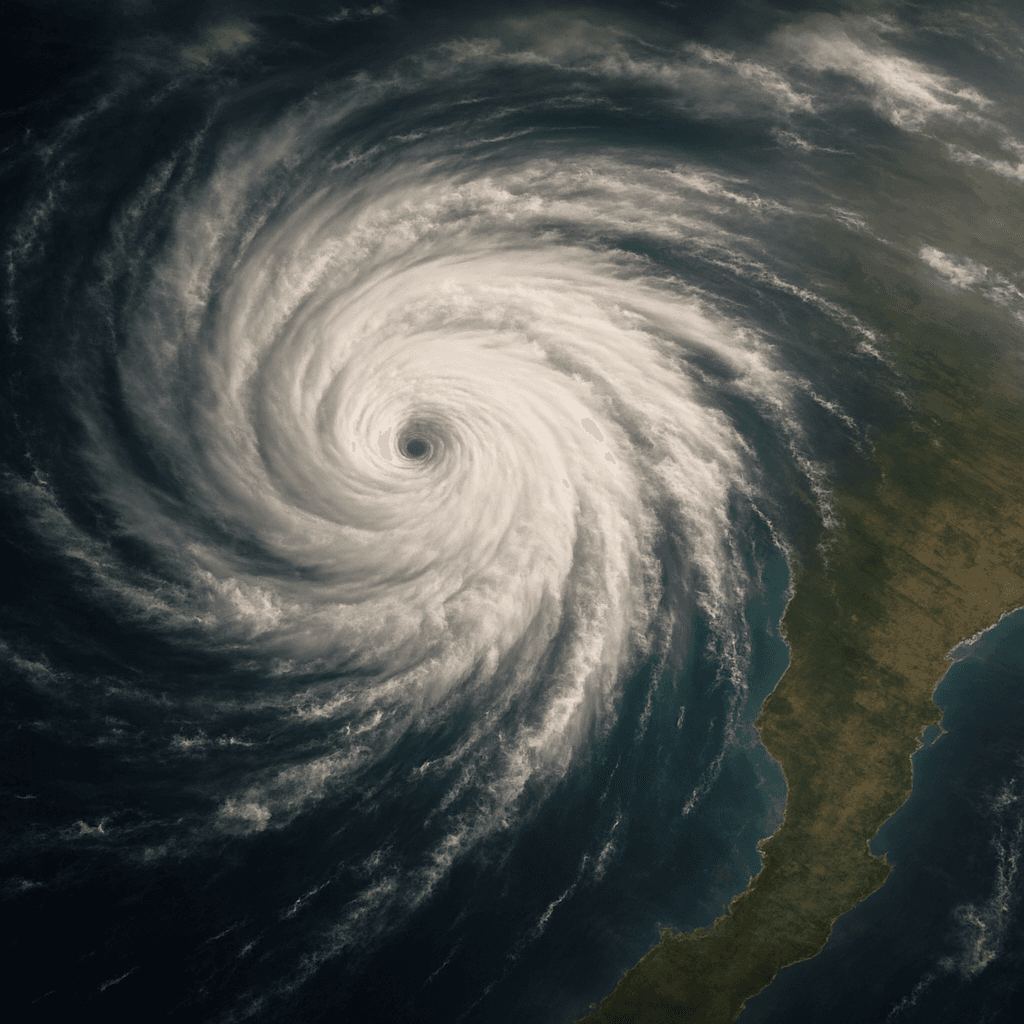
Hurricane Preparedness Checklist: Power and Backup Essentials
The short answer: hurricane outages are long enough that you should plan for days, not hours. After Hurricane Helene in 2024, power was still out for about 200,000 customers 12 days after landfall, and the average South Carolina customer lost nearly 53 hours of power that year. A realistic home setup is a 2,000Wh-class power station (about $900 to $1,000 in 2026), a solar panel, and a charging plan, bought before a storm is forecast. A power station keeps a fridge, phones, a CPAP, and lights going; it will not replace whole-home air conditioning.
Where the 2026 Season Stands
The Atlantic hurricane season runs June 1 to November 30. NOAA's 2026 outlook called for a below-normal season, with 8-14 named storms, 3-6 hurricanes, and 1-3 major hurricanes, and the National Weather Service director cautioned that "it only takes one storm to make for a very bad season" (NOAA). Early-October coverage described the season as unusually quiet so far (WUFT); check the National Hurricane Center for current activity. A quiet year does not lower your own risk if a storm hits your area, and a late-season Gulf storm is still possible until November 30. Winter storm season is next, so gear bought now covers both. See our winter storm guide.
What Recent Hurricanes Did to the Grid
| Storm (2024) | What happened | Source |
|---|---|---|
| Hurricane Beryl (Texas, July) | About 2.6 million customers lost power | EIA |
| Hurricane Helene (10 states, Sept) | 5.9 million customers affected; 4.6 million without power at the Sept 27 peak; about 200,000 still out on Oct 8 | EIA; US Department of Energy situation report #12 |
| Hurricane Milton (Florida, Oct) | About 3.4 million customers without power at the Oct 10 peak | EIA |
Those three storms accounted for 80% of the hours Americans spent without power in 2024. See the state-by-state numbers in our power outage statistics by state. The Saffir-Simpson category predicts wind damage; it does not reliably predict outage length, which depends on flooding, fallen trees, and how badly your local lines are damaged.
Do This Before the Season (or Right Now for Next Year)
- Buy before a storm is in the forecast. Stock can sell out and shipping can slow when a storm is approaching. October to December is also when major US retailers run their biggest power station sales; Black Friday 2026 falls on Nov 27. See our Black Friday power station guide for dates and prior-year prices.
- Size it correctly. Use our wattage sizing guide for a fridge, medical equipment, and lighting. A refrigerator does not run flat out all day, so see how long a power station can run your fridge.
- Buy a solar panel to pair with it. If the outage lasts more than a few days, solar is the only way to keep recharging.
- Test the whole setup once. Charge the unit fully, run your fridge on it for a few hours, and confirm that every cable and adapter is in the bag.
What to Buy
| Household | What to plan for | Starting point |
|---|---|---|
| Phones, router, lights, a CPAP | Roughly 2 to 3 nights of a 40W CPAP (no humidifier) plus device charging | Bluetti AC70 ($359 on Bluetti's site) or Jackery Explorer 1000 v2 ($499 on sale, $799 list) |
| Adds a refrigerator for a day or more | 2,000Wh-class, expandable, with solar | Bluetti Elite 200 V2 ($899), Jackery Explorer 2000 Plus |
| Adds a well pump, 240V, or longer outages | 4,000Wh and 240V | EcoFlow DELTA Pro 3 ($2,799 on EcoFlow's site on Oct 3, 2026) |
Prices were checked on October 3, 2026 and change often. For CPAP-specific planning, see our CPAP outage guide.
72 Hours Before Landfall
- Charge your power station to 100% and every phone, laptop, and power bank.
- Freeze water bottles and ice packs; a fuller freezer holds cold longer.
- Fill your car's gas tank in case you need to evacuate.
- Pack the solar panel's cables and mounting hardware with the power station.
- If you're in an evacuation zone, treat the power station as a grab-and-go item rather than a home-backup fixture.
During the Outage: Making Your Battery Last
- Prioritize. Run the fridge, medical devices, and lighting first; charge laptops and entertainment devices only when there is spare capacity.
- Keep the fridge and freezer closed. USDA guidance is that a refrigerator keeps food safe for about 4 hours without power, a full freezer for about 48 hours, and a half-full freezer for about 24 (USDA).
- Run high-draw appliances briefly and separately (microwave, coffee maker) to stay under the output limit.
- Recharge from solar during the day even if you're not near empty.
- Keep it dry and elevated. A power station is safe indoors (no exhaust), but never use it in standing water or near flooding.
For the first steps when the power drops, see what to do when the power goes out.
Regional Notes
Florida: heat and humidity make fridge and cooling needs more urgent; see our Florida hurricane guide. Gulf Coast and Texas: storm surge and flooding mean keeping the unit on a shelf, not the garage floor. Carolinas: outages have outlasted the storm itself in rural service areas; South Carolina averaged 52.6 hours without power in 2024. For other hazards, see our grid failure risk by region overview.
The Rest of the Kit
- A battery-powered or hand-crank NOAA weather radio.
- Flashlights, a manual can opener, and a 3-7 day supply of water and food.
- A written list of your medical equipment and its wattage.
Power is only one piece. Follow Ready.gov and your county emergency management office for evacuation and shelter guidance.
Frequently Asked Questions
How long should I plan for a hurricane power outage?
Plan for several days at minimum. After Helene, about 200,000 customers were still without power on October 8, 2024, about 12 days after landfall, per the Department of Energy. Duration depends on local damage more than storm category.
Can I run my home AC off a portable power station during a hurricane outage?
A window AC unit (500-1,200W) can run briefly on a large station, but continuous multi-day air conditioning will drain even a 2,000Wh unit within hours. Treat a power station as backup for essentials, not whole-home climate control.
Is a gas generator better than a power station for hurricanes?
A generator offers unlimited runtime while fuel is available, but fuel is scarce after a storm and generators can't run indoors because of carbon monoxide. A power station has no emissions, can be used indoors, and recharges from solar; many households keep both. See our best portable power stations.
Power Stations We'd Look At for This
Picked from our reviews for this scenario. Prices change often, so check the current price before you buy.
This page contains affiliate links. See our affiliate disclosure.
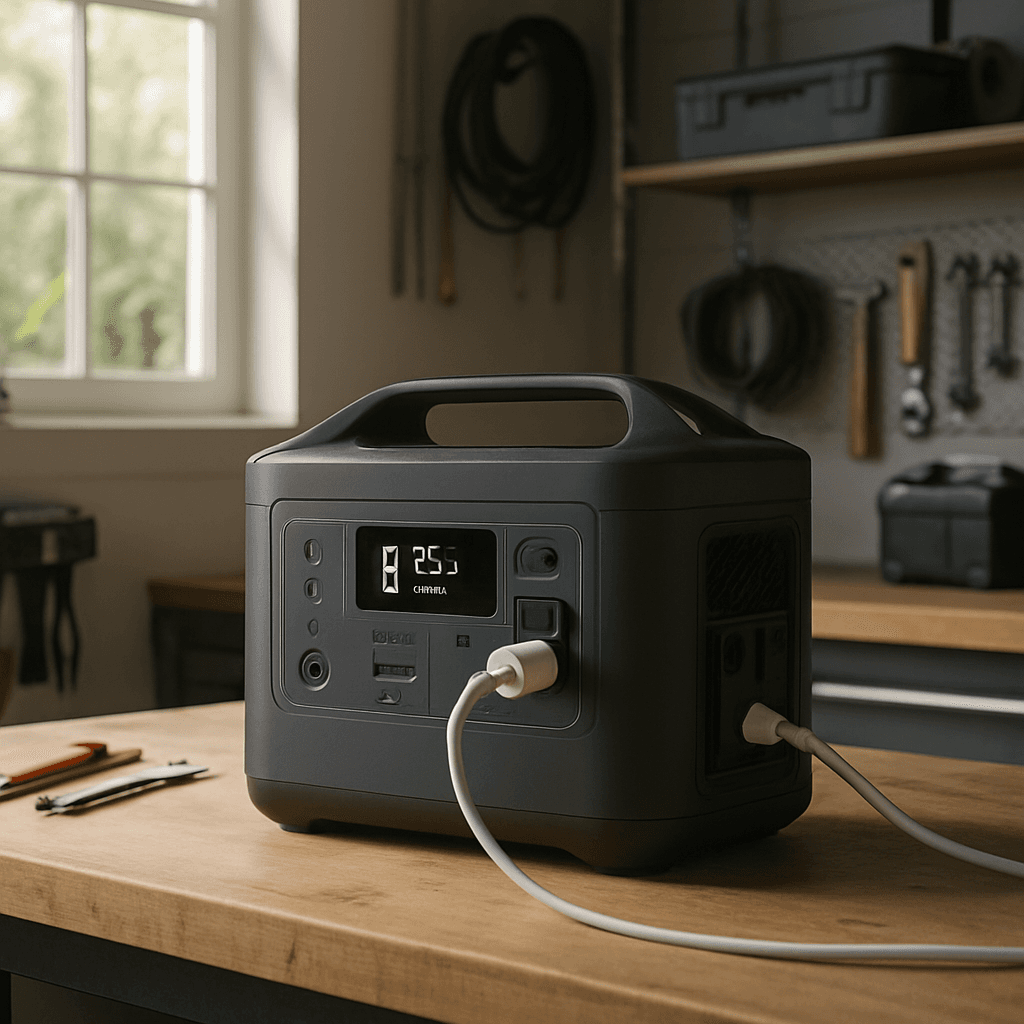
Bluetti Elite 200 V2
4.5/5 in our review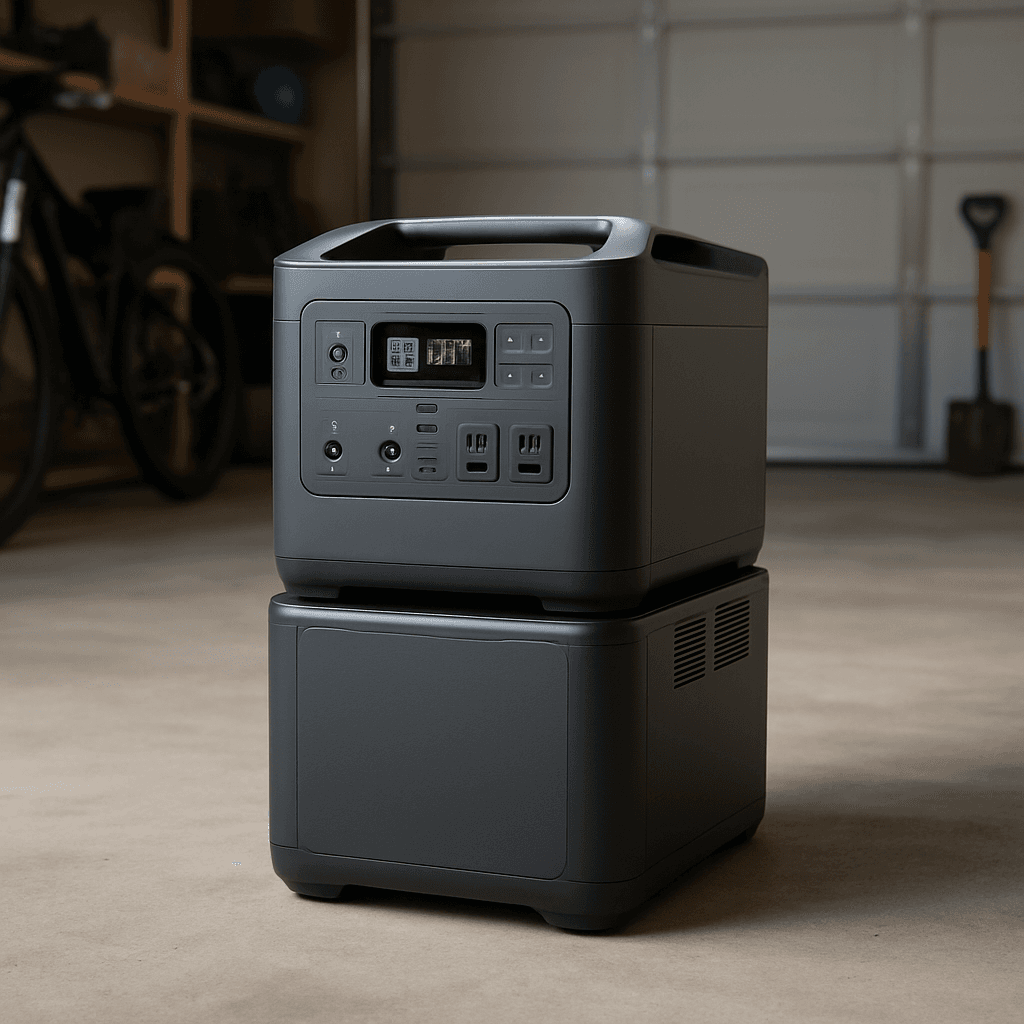
Jackery Explorer 2000 Plus
4.4/5 in our review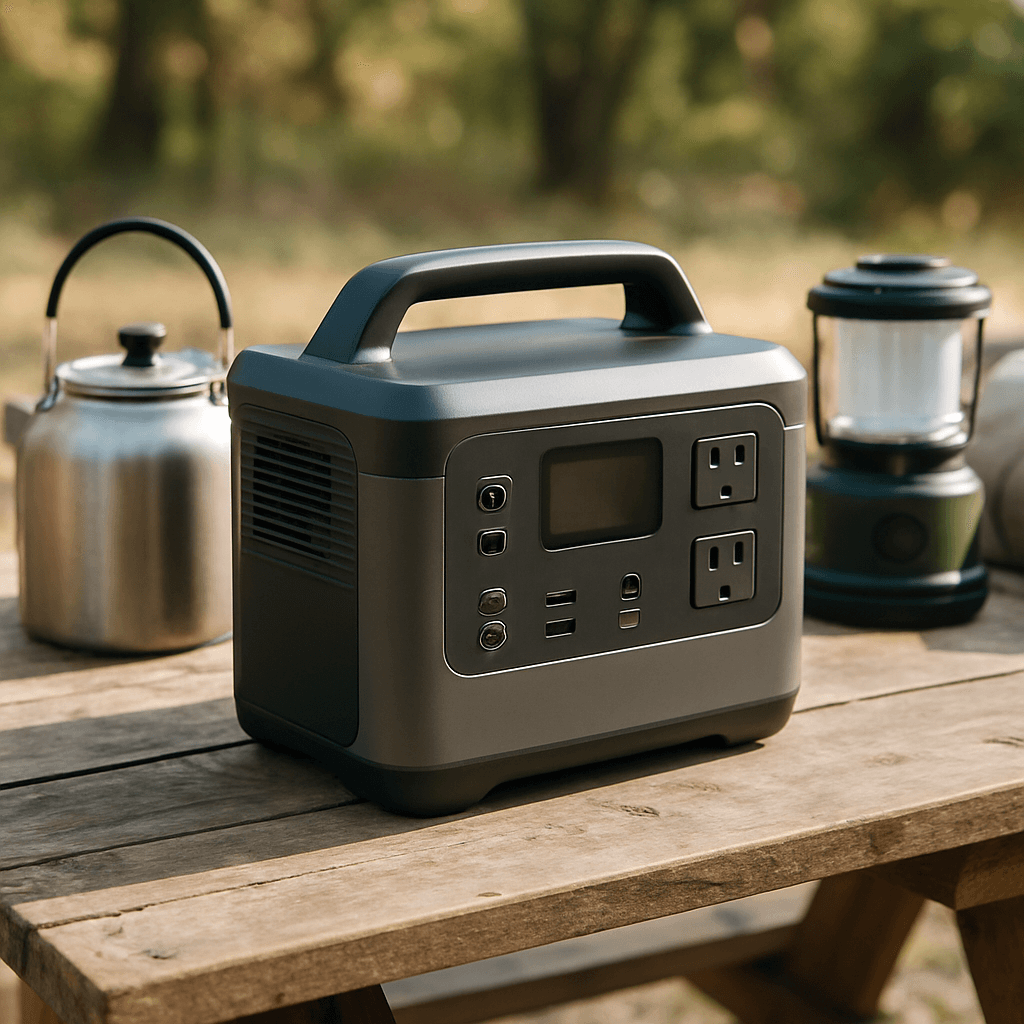
Jackery Explorer 1000 v2
4.4/5 in our review
Bluetti AC70
4.3/5 in our reviewRelated Articles
 Emergency Preparedness
Can an EMP Destroy Your Power Station? What the Science Actually Says
Batteries are more EMP-resistant than most people assume, but the electronics inside a power station aren't. Here's the real science of EMP risk and Faraday cage protection.
 Emergency Preparedness
Winter Storm Power Outage Preparedness Guide (Texas Edition)
The 2021 Texas winter storm exposed how unprepared the grid can be for extreme cold. Here's how to plan backup power for Texas winter weather specifically.
 Emergency Preparedness
What to Do When the Power Goes Out: A Step-by-Step Guide
What to do in the first 15 minutes and hours of a power outage: check the scope, unplug electronics, food safety times, carbon monoxide rules, medical needs, and backup power priorities.