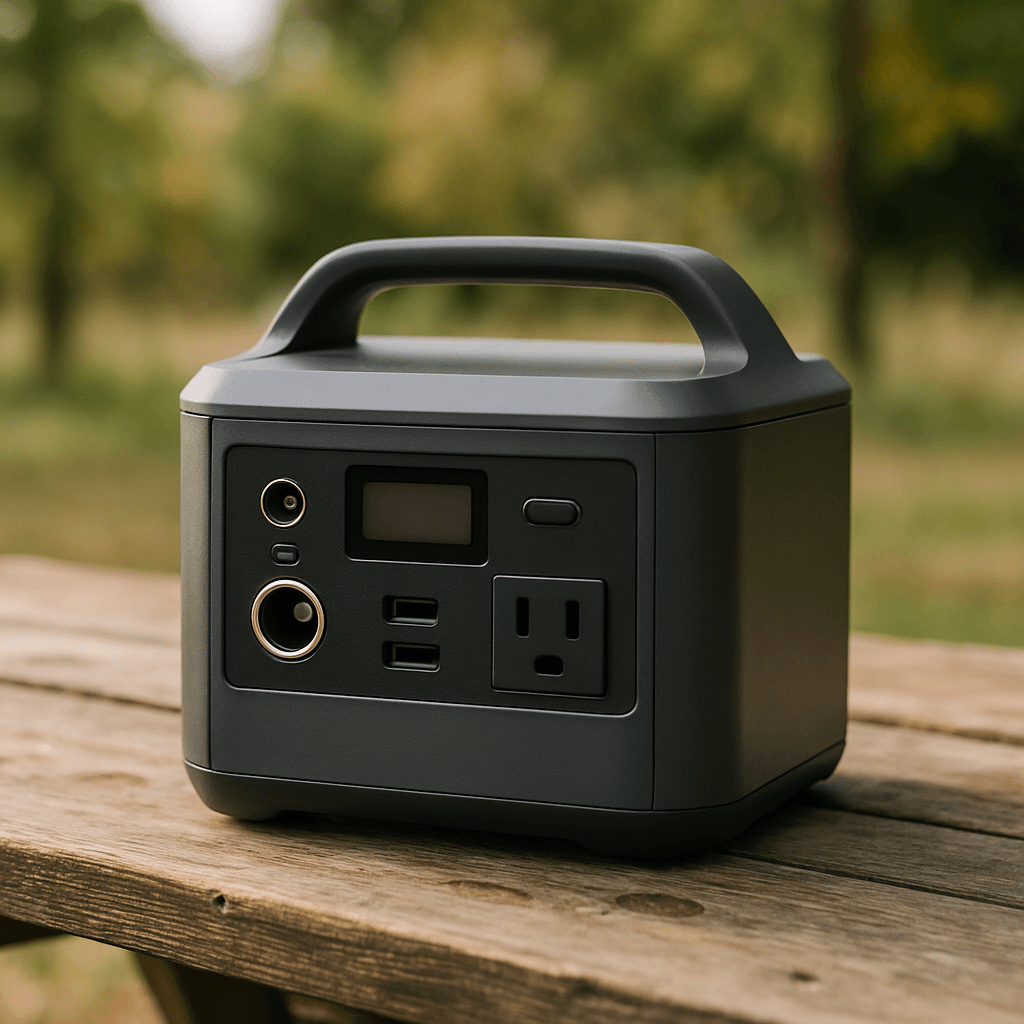
Best Power Station Under $500 (2026): Prices, Specs & Picks
For most people, the best power station under $500 is a 1,000Wh LiFePO4 unit, and the strongest all-round value in October 2026 is the Anker SOLIX C1000 Gen 2 at about $429. OutdoorGearLab's July 2026 test of 14 power stations named it Best Value for Most People after measuring 890Wh of usable output from its 1,024Wh rating. The Jackery Explorer 1000 v2 ($499 in Jackery's fall sale), the Bluetti Elite 100 V2 ($489), the Bluetti AC70 ($359), and the EcoFlow River 3 ($239) cover quieter, cheaper, and more portable needs. Prices below are dated; this tier changes quickly around sale events, so check the live price (see our Black Friday guide for last year's lows).
Comparison Table
| Model | Capacity | AC output | Price seen | $ per Wh | Measured usable* | Weight |
|---|---|---|---|---|---|---|
| Anker SOLIX C1000 Gen 2 | 1,024Wh | 2,000W | ~$429 (Amazon, 2026) | $0.42 | 890Wh (87%) | 25.2 lb |
| Jackery Explorer 1000 v2 | 1,070Wh | 1,500W | $499 (fall sale, through Oct 5) | $0.47 | 910Wh (85%) | 24.4 lb |
| Bluetti Elite 100 V2 | 1,024Wh | 1,800W | $489 (Bluetti, Oct 3) | $0.48 | 890Wh (87%) | 25 lb |
| Bluetti AC70 | 768Wh | 1,000W | $359 (Bluetti, Oct 3) | $0.47 | not independently tested | 22.5 lb |
| EcoFlow River 3 | 245Wh | 300W (600W X-Boost) | $239 (EcoFlow list) | $0.98 | not independently tested | 7.8 lb |
*Measured usable AC output from OutdoorGearLab's July 2026 independent tests (we have not run these tests ourselves). Price sources: AndroidGuys for Jackery (Oct 2, 2026), Bluetti's own pages for Bluetti, and a deal report from April 2026 for the Anker price. $ per Wh is price divided by rated capacity. Dividing by measured capacity instead gives about $0.48 for the Anker, $0.55 for the Jackery, and $0.55 for the Bluetti Elite 100 V2.
Best Overall Value: Anker SOLIX C1000 Gen 2
The Gen 2 pairs the highest output in this tier (2,000W) with the lowest price per watt-hour. OutdoorGearLab measured a 56-minute AC recharge (49 minutes in its ultrafast mode) and roughly two hours from 600W of solar, and rated it 70/100, ranked #5 of 14. The tradeoffs it flagged: the fan gets "frustratingly loud" near maximum wattage, and Gen 2 dropped both the built-in light and battery expansion. If you want the previous generation's 1,056Wh, 1,800W design, see our Anker SOLIX C1000 review.
Best for Portability and Quiet: Jackery Explorer 1000 v2
The Explorer 1000 v2 is the lightest 1,000Wh option (24.4 lb in OutdoorGearLab's test) and its fans "stayed nearly silent" even near maximum load. It measured 910Wh usable (85%), the highest absolute number in the tier. Two details differ from the marketing: a standard AC recharge took "almost 2 hours" in OutdoorGearLab's testing (the faster 1-hour emergency charge is a separate mode), and it has only three AC outlets with tight spacing. List price is $799, so the value depends on catching a sale. Our Jackery Explorer 1000 v2 review has the full breakdown.
Best for UPS Use: Bluetti Elite 100 V2
Bluetti lists a switchover time of 10 milliseconds or less, which suits keeping a router, computer, or CPAP running through brief outages (see our UPS guide). It matched the Anker for measured capacity (890Wh, 87%) and OutdoorGearLab called its fan "remarkably quiet." The cost is slow recharging: 1.8 hours full on AC (512 Wh per hour measured), versus under an hour for the Anker and EcoFlow DELTA 3. Specs are on Bluetti's product page, and Bluetti's warranty period page lists it at 5 years.
Best Mid-Capacity Pick: Bluetti AC70
At $359 the AC70 is the cheapest way into a 768Wh unit with 1,000W of rated output (2,000W "Power Lifting" mode for resistive loads), 3,000-plus cycles, 500W of solar input, and a 5-year warranty on Bluetti's page. It suits a solo camper or a CPAP-plus-lights outage kit. See the Bluetti AC70 review.
Best Ultra-Budget and Most Portable: EcoFlow River 3
The River 3 is 245Wh and 7.8 lb with about a one-hour recharge. It excels at phones, laptops, lights, and light camping, not appliances. Its $0.98 per Wh looks high because you are paying for portability, not capacity. See the EcoFlow River 3 review.
Just Over the Line: EcoFlow DELTA 3
The 1,024Wh DELTA 3 is listed at $599 (marked down from $699) on EcoFlow's site, above the $500 cap, but it is worth watching during sales. OutdoorGearLab measured 870Wh usable (85%), a full recharge in 50 minutes, a 3,600W surge rating, and expansion up to 5,000Wh. It flagged that only half of its six AC outlets are grounded three-prong ports.
What You Give Up Under $500
Compared with the 2,000Wh tier, sub-$500 units generally can't run a full-size refrigerator for more than a few hours, can't power a window AC beyond minutes, and mostly can't be expanded. A measured 910Wh runs a typical 150W-average refrigerator for roughly 6 hours (see our fridge runtime guide), but a 40W CPAP for about three nights at 8 hours each (see the CPAP guide). If you need multi-day whole-home backup, move up to our best portable power stations of 2026 or the under $1,000 tier.
Frequently Asked Questions
What is the best power station under $500?
The Anker SOLIX C1000 Gen 2 offers the best mix of capacity, output, and price in October 2026, at about $429 for 1,024Wh and 2,000W. The Jackery Explorer 1000 v2 ($499) is quieter and slightly more capable in measured capacity, and the Bluetti Elite 100 V2 ($489) is the better choice for UPS use.
Is 1,000Wh enough for a power outage?
For essentials, yes: a 1,000Wh unit covers lights, phone and laptop charging, a router, and a CPAP for a day or more, but it will run a full-size refrigerator for only about 6 to 7 hours. Add solar panels to extend it, or choose a larger unit for multi-day outages.
Do power stations under $500 use the same battery chemistry as expensive ones?
Yes. Every model in this guide uses LiFePO4 cells, the same chemistry found in $1,000-plus units. The price difference reflects capacity, output ceiling, and charging speed, not battery safety. See our LiFePO4 guide.
Why do tested capacities come in lower than the rating?
Converting battery energy to AC power loses some energy in the inverter and electronics. OutdoorGearLab measured 85% to 87% usable output on the 1,000Wh units in this guide, so plan around roughly 850-900Wh from a 1,024-1,070Wh unit.
When is the cheapest time to buy?
Power station prices drop around sales events. Prime Big Deal Days run October 6-7, 2026 and Black Friday is November 27, with brand sales often starting earlier in November. See our Black Friday guide for last year's actual prices.
Related Articles
 Comparisons & Buying Guides
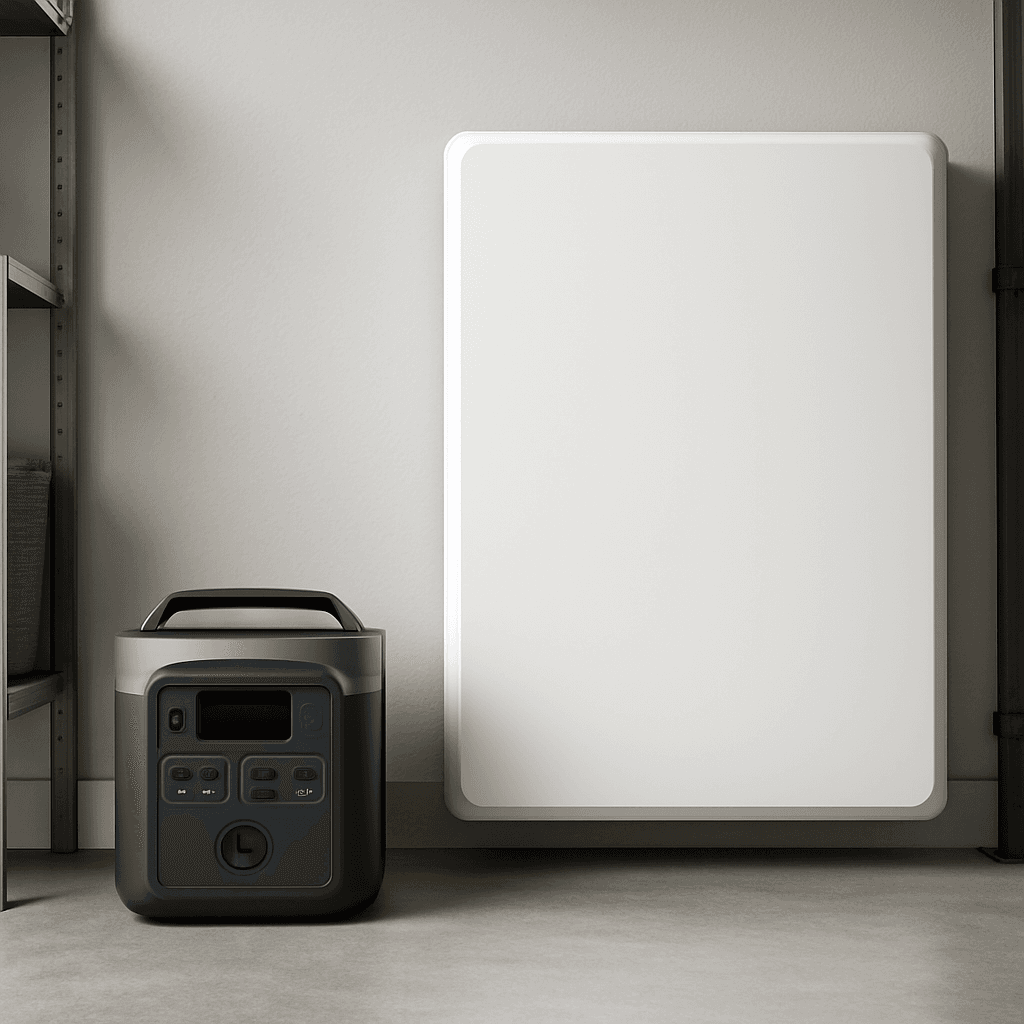
Portable Power Station vs. Whole-Home Battery System: Which Do You Actually Need?
A Tesla Powerwall costs $11,500-$16,000+ installed. A portable power station covers most of the same essentials for a fraction of that. Here's how to actually decide.
 Comparisons & Buying Guides
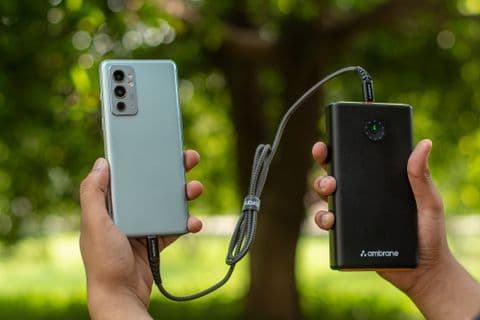
Power Bank vs. Power Station: What's the Real Difference?
They both store and dispense electricity, but a power bank and a power station aren't interchangeable. Here's what actually separates them and which one you need.
 Comparisons & Buying Guides
Can You Rent a Portable Power Station Instead of Buying One?
Renting is a real option if you only need backup power for a single trip or event. Here's where to actually rent one, real costs, and when renting beats buying.