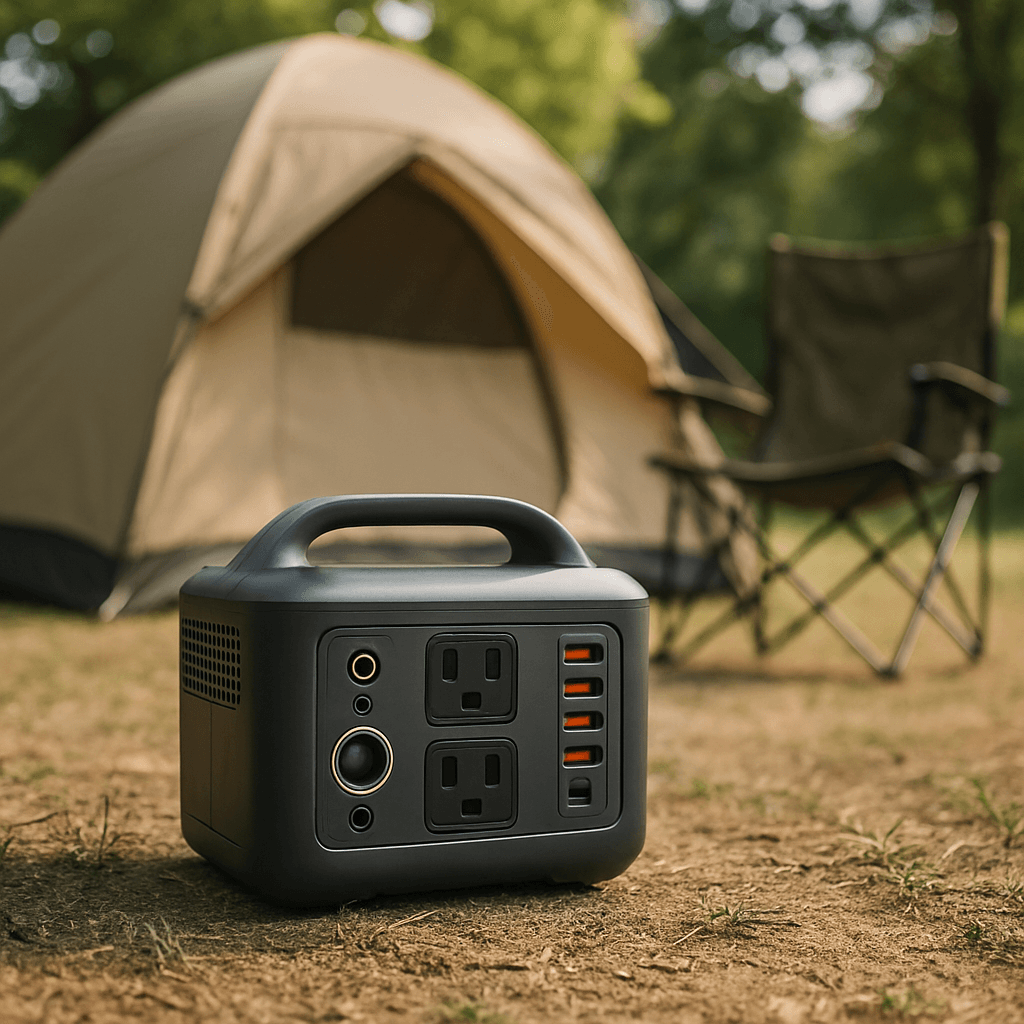
Best Budget Power Stations for Beginners and Tight Budgets
For a first or budget-conscious power station purchase, match two numbers to your use case — watt-hours (total energy stored) and watts (how fast it delivers power) — and insist on LiFePO4 battery chemistry regardless of price. "Budget" power stations get a bad reputation because some genuinely do cut corners — older lithium-ion chemistry instead of LiFePO4, inflated output ratings, or thin warranty coverage. But a handful of budget-tier units deliver real, verified performance, and a simple framework keeps a first purchase from becoming an expensive guess.
The Only Two Numbers That Matter at First
- Watt-hours (Wh) = how much total energy it stores (the "tank size")
- Watts (W) = how fast it can deliver power (the "pipe size")
See our beginner-friendly watt-hours vs. watts guide for the full breakdown — for a first purchase, matching these two numbers to a rough use case is enough to get a good result without needing to understand every spec on the sheet.
What "Budget" Should Still Include
Before looking at price, make sure a budget pick still checks these boxes:
- LiFePO4 battery chemistry — not older lithium-ion, which degrades faster and carries higher thermal risk. See our LiFePO4 battery guide for why this matters.
- A real manufacturer warranty, not just a marketplace return window.
- Continuous output that matches the advertised number, not just a brief peak/surge rating marketed as if it were sustained output.
Our Picks
EcoFlow River 3 — $199-239, 245Wh. The standout pick for portability and charging speed: full recharge in about an hour, genuinely useful for phones, laptops, and light camping. Best if you just want backup for devices and lights without overthinking it.
Bluetti AC70 — around $399, 768Wh. The best middle ground between ultra-budget and full-capacity, ideal for solo campers who want more than phone-charging capability.
Anker SOLIX C1000 — frequently on sale $429-599, 1,056Wh with 1,800W output. Exceptional output-per-dollar when caught on sale, with enough capacity to run a mini fridge or space heater briefly.
Jackery Explorer 1000 v2 — frequently discounted to $429-599, 1,070Wh with 1,500W output. Handles a mini fridge, CPAP, and device charging together; widely reviewed with easy-to-find support, making it the easiest "no research needed" pick for a first-time buyer.
EcoFlow Delta 2 Max — frequently around $849 on sale, 2,048Wh. The pick if you want real home backup and are willing to spend more, with room to expand later if your needs grow.
What to Skip
Be cautious of any unit advertising very high peak/surge wattage numbers far out of proportion to its continuous rating, or listings that don't specify battery chemistry at all — that omission is often a sign of older, less safe lithium-ion cells. If a deal looks too good relative to comparable LiFePO4 units from known brands, verify the chemistry and continuous output rating before buying.
What First-Time Buyers Should NOT Worry About Yet
- Solar panel compatibility — unless you already know you want solar charging, don't let this drive your first purchase decision. AC (wall outlet) charging works fine to start.
- Expandable battery ecosystems — a nice-to-have for later, not a first-purchase requirement.
- Marginal differences in surge wattage — continuous output and total capacity matter far more than peak/surge numbers for a first purchase.
How to Choose Between These
Match to your actual use case rather than just the lowest price:
- Phones, laptops, small electronics only: EcoFlow River 3
- Solo camping with a mini fridge: Bluetti AC70
- CPAP backup plus headroom for other devices: Anker SOLIX C1000 or Jackery Explorer 1000 v2
- Apartment emergency backup, or "I don't want to overthink it": Jackery Explorer 1000 v2
- Real home backup, willing to spend more: EcoFlow Delta 2 Max
Not sure which capacity you actually need? Run the numbers with our wattage sizing guide before deciding. Shopping on a budget for a vendor or commercial setup instead? See our food truck wattage guide for that specific load profile.
A Simple Buying Checklist
- Confirm it uses LiFePO4 battery chemistry (nearly all current mainstream models do — verify if in doubt).
- Pick a capacity based on your top 2-3 use cases, not every hypothetical scenario.
- Check that the continuous output covers your biggest single device (a mini fridge needs roughly 100-150W continuous — see our fridge runtime guide).
- Buy from a brand with an active US warranty and support — Jackery, EcoFlow, Bluetti, and Anker are all safe choices for a first purchase. See our warranty comparison for what each brand actually covers.
When to Upgrade From Your First Unit
Most first-time buyers realize they need more capacity within the first year of ownership, once they've used the unit through a real outage or trip and know their actual needs better. That's normal — buying a smaller unit first to learn your usage patterns, then upgrading, is a completely reasonable strategy rather than overbuying upfront.
Frequently Asked Questions
Is a budget power station safe to use?
Yes, as long as it uses LiFePO4 battery chemistry and comes from a manufacturer with a real warranty — the "budget" label refers to price and capacity tier, not necessarily reduced safety, among the picks listed here.
Why do some cheap power stations use older lithium-ion instead of LiFePO4?
Older lithium-ion cells are cheaper to manufacture, which lets some budget brands hit a lower price point — but they have shorter cycle life and higher thermal risk. Always confirm battery chemistry before buying based on price alone.
What's the single best "no research needed" first power station?
For most first-time buyers, the Jackery Explorer 1000 v2 hits the best balance of capacity, portability, and price for a genuinely useful all-around first unit.
Related Articles
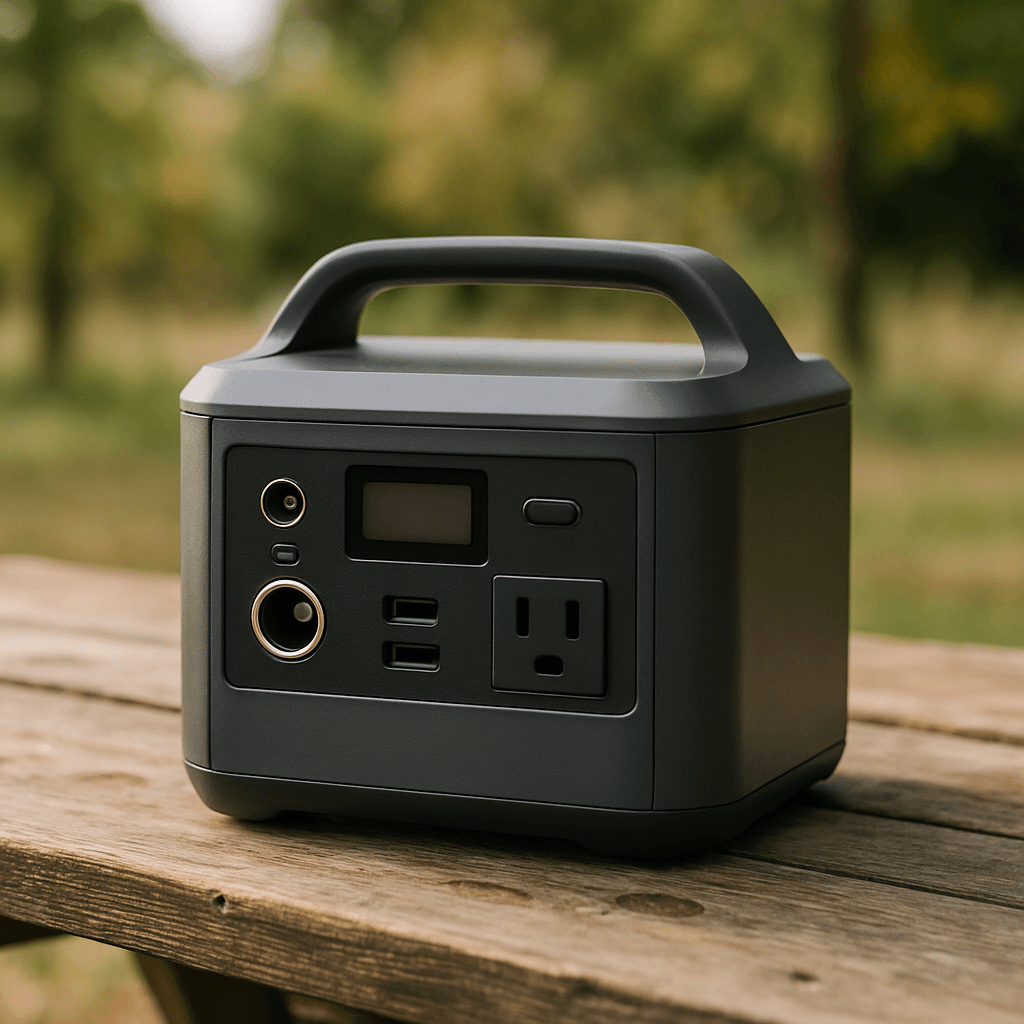 Deals & Best Of
Prime Big Deal Days 2026 Recap: Power Station Prices and What to Do Before Black Friday
Prime Big Deal Days ended Oct 7. What power stations actually cost, how prices compared with last Black Friday, which discounts were inflated, and the target prices to beat on Nov 27.
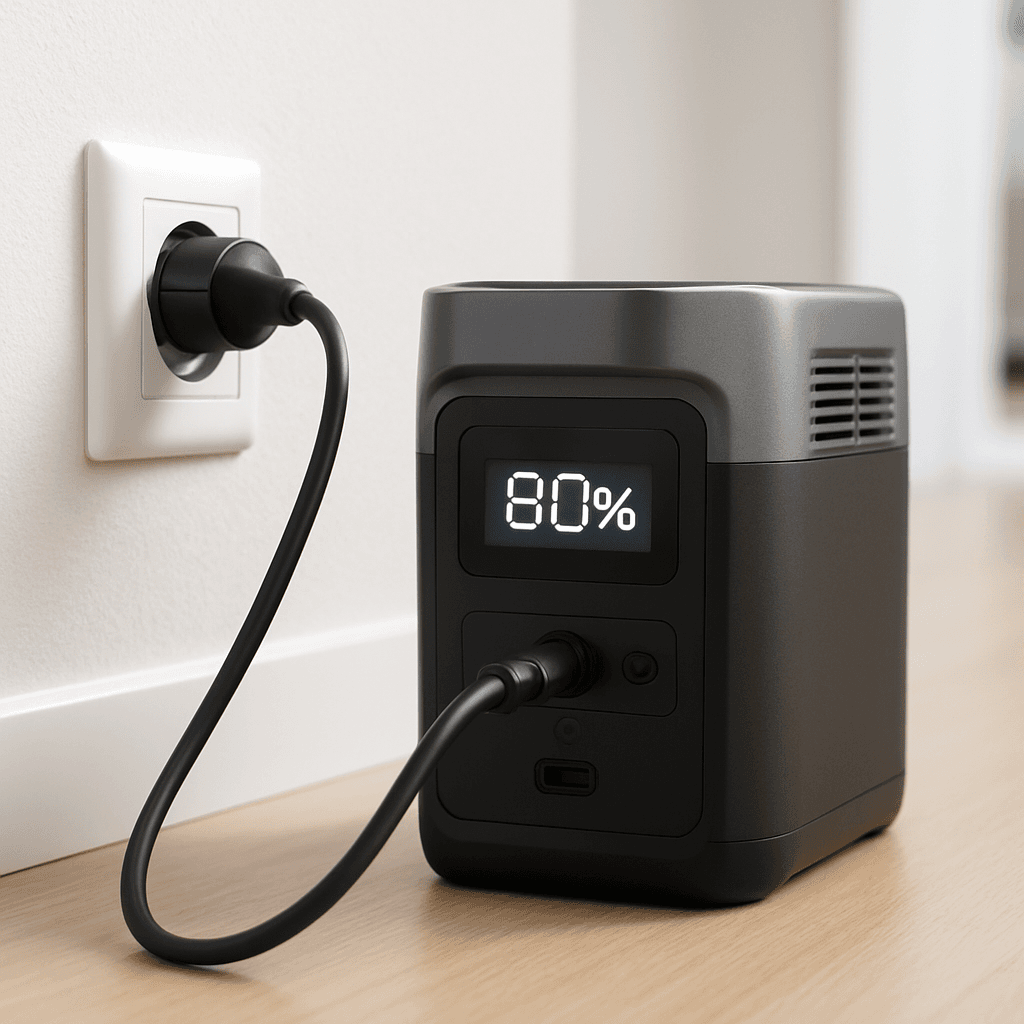 Deals & Best Of
Best Power Stations With Fast Charging (Under 1 Hour)
For buyers who need to recharge quickly between uses or outages, here are the power stations rated for sub-1-hour charging, compared side by side.
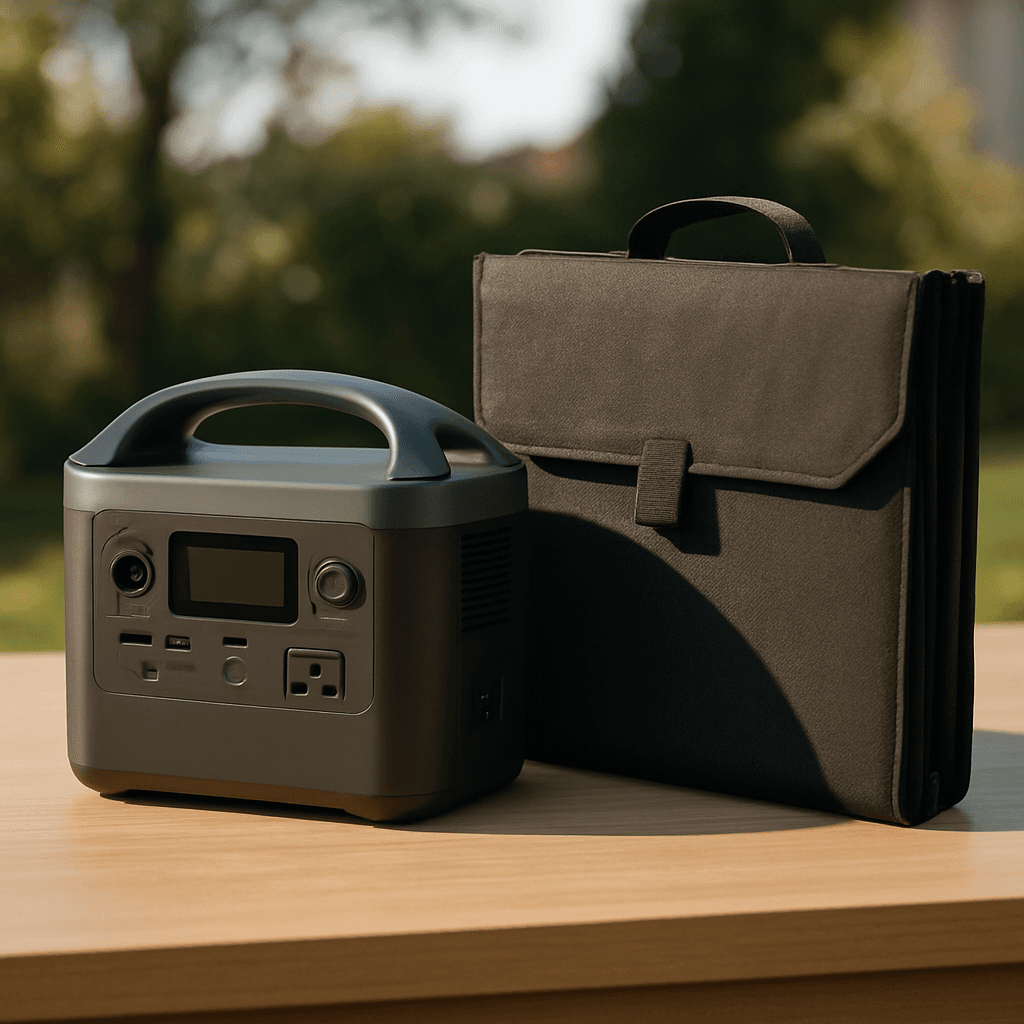 Deals & Best Of
Best Power Station and Solar Panel Bundles
Buying a power station and solar panel together as a bundle is usually cheaper than buying separately. Here's how to pick the right bundle for your needs.